3d Logo Mockup on Wood: A Practical Evaluation for Brand Presentation
In the competitive landscape of modern branding, visual presentation is not merely an aesthetic choice; it is a critical component of communication. How a logo or design is displayed can significantly influence perception, conveying qualities such as stability, craftsmanship, warmth, and authenticity. Among the various digital assets available to designers and marketers, the 3d Logo Mockup on Wood has emerged as a versatile tool for presenting brand identities in a tangible, grounded context. This evaluation explores the practical utility, technical specifications, and strategic value of this specific mockup format, focusing on its ability to bridge the gap between digital design and physical perception.
The Strategic Value of Wood Textures in Branding
Before examining the technical aspects of the file itself, it is essential to understand why wood serves as an effective background for logo presentations. Unlike sterile white backgrounds or high-tech metallic surfaces, wood textures evoke a sense of organic reliability. For brands operating in sectors such as artisanal goods, sustainable products, heritage services, or creative studios, a wooden backdrop reinforces narratives of natural materials, handcrafted quality, and enduring value. The 3d Logo Mockup on Wood leverages these psychological associations, allowing designers to place their artwork within a context that feels both premium and approachable.
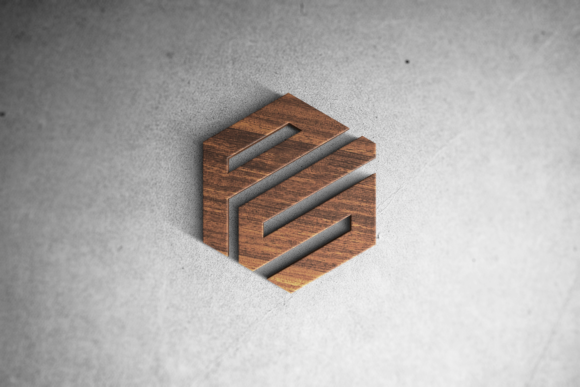
This mockup is particularly useful for professionals who need to demonstrate how a flat 2D vector or raster image translates into a three-dimensional object. By simulating the depth, grain, and lighting interactions typical of engraved or printed wood, the mockup provides a realistic preview of the final product. This realism helps stakeholders—clients, investors, or internal teams—visualize the end result more accurately than a standard flat lay might allow, thereby reducing ambiguity during the approval process.
Technical Features and Usability
The effectiveness of any design asset relies heavily on its ease of use and flexibility. The 3d Logo Mockup on Wood is built with user experience in mind, utilizing Adobe Photoshop’s smart object technology to streamline the workflow. This feature is crucial for maintaining efficiency, especially for freelancers and agencies managing multiple projects simultaneously.
Smart Object Integration
The core functionality of this mockup revolves around the smart object layer. Users do not need advanced skills in photo manipulation or texture mapping to achieve professional results. The process is straightforward:
- Open the File: Launch the provided .psd file in Adobe Photoshop.
- Locate the Smart Object: Identify the layer specifically labeled “Place your design.”
- Edit the Design: Double-click the smart object icon. This action opens a new window containing the placeholder template.
- Insert Artwork: Paste or drag your logo, text, or graphic design into this open window. Save the changes (Ctrl+S or Cmd+S), and the mockup will automatically update.
This mechanism ensures that the lighting, shadows, and perspective of the wood surface remain intact while your design adapts seamlessly to the contours of the 3D model. It eliminates the need for manual warping, blending modes adjustments, or shadow creation, which are common pain points in custom mockup creation.
Layer Organization and Editability
A significant strength of this asset is its structural integrity. The file is fully layered and well-organized into folders, a detail that often separates amateur resources from professional-grade templates. For users who wish to customize beyond the basic logo placement—such as adjusting the wood tone, modifying the lighting direction, or changing the angle of the view—the organized layer structure allows for granular control. Every element is editable, providing a level of flexibility that supports diverse creative directions without requiring the purchase of additional files.
Quality and Real-World Performance
When evaluating digital mockups, resolution and texture fidelity are paramount. The 3d Logo Mockup on Wood is designed with high-quality rendering standards, ensuring that the wood grain, knots, and surface imperfections appear authentic rather than repetitive or artificial. In real-world applications, this attention to detail prevents the "plastic" look that can undermine the credibility of a brand presentation.
The mockup performs well across various use cases. For small business owners launching a new product line, it offers a cost-effective way to generate marketing materials that look professionally produced. For educators and bloggers, it serves as an excellent visual aid when writing tutorials about branding or design principles. Furthermore, the inclusion of a high-resolution PNG export means that users can utilize the final rendered image in web headers, social media posts, print brochures, or pitch decks without worrying about file compatibility or quality loss.
Target Audience and Application Scenarios
While the 3d Logo Mockup on Wood is broadly applicable, certain segments of the audience will find it particularly valuable:
- Freelance Graphic Designers: When presenting concepts to clients, designers can use this mockup to show how a logo might look on physical merchandise like wooden coasters, signs, or packaging inserts. This adds tangible value to the service being offered.
- E-commerce Entrepreneurs: Sellers on platforms like Etsy or Shopify often deal with handmade or wood-based products. This mockup allows them to create compelling product listings that highlight the material quality of their offerings.
- Marketing Professionals: For campaigns emphasizing sustainability or eco-friendliness, the organic nature of wood aligns with the message. Using this mockup in advertisements or case studies reinforces the brand’s commitment to natural aesthetics.
- Hobbyists and Makers: Individuals who craft physical items can use the digital mockup to visualize their designs before committing to production costs, saving time and materials.
Potential Limitations and Considerations
No single resource fits every scenario, and it is important to acknowledge the limitations of this mockup. First, the aesthetic is specific to the wood theme. If a brand’s identity is rooted in futuristic technology, minimalism, or luxury metal finishes, this mockup may not be appropriate. Designers must carefully consider whether the warm, rustic connotations of wood align with the brand voice they intend to project.
Additionally, while the smart object feature simplifies the process, it requires access to Adobe Photoshop. Users relying on other design software may find the workflow less accessible unless they have alternative methods for manipulating PSD files. Finally, the static nature of the 3D render means it cannot simulate dynamic lighting changes or interactive elements found in video mockups. However, for static presentations and print-ready outputs, this limitation is negligible.
Conclusion on Utility and Long-Term Value
The 3d Logo Mockup on Wood stands out as a reliable, high-quality asset for professionals seeking to enhance their brand presentations. Its combination of easy-to-use smart object technology, detailed texture rendering, and flexible layer organization makes it a practical addition to any designer’s toolkit. By providing a realistic simulation of physical application, it helps bridge the gap between abstract digital concepts and concrete brand experiences.
For those looking to convey authenticity, craftsmanship, and warmth, this mockup offers a straightforward path to achieving that visual narrative. Whether used for client pitches, e-commerce listings, or personal portfolio enhancements, its versatility and ease of use justify its place among essential design resources. Ultimately, it empowers users to present their work with confidence, ensuring that the final impression matches the quality of the underlying design.