3d Realistic Vector Illustration
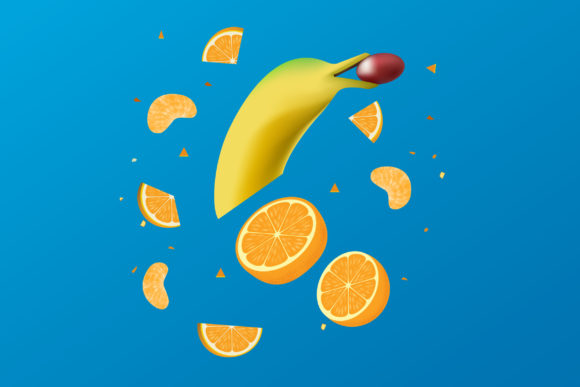
In the modern digital landscape, visual communication is no longer just about conveying information; it is about creating an immediate, visceral connection with the viewer. For professionals ranging from graphic designers and marketers to small business owners and content creators, the quality of imagery can make or break a campaign. This is where the intersection of high-fidelity realism and vector scalability becomes a powerful tool. Specifically, designs like the 3d Realistic Vector Illustration featuring fresh orange, banana, and grape slices offer a unique solution for those seeking depth without sacrificing technical flexibility.
At first glance, these assets appear to be standard photographs. However, they are constructed using advanced vector techniques that simulate three-dimensional lighting, texture, and shadow while retaining the mathematical precision of vector graphics. This hybrid approach allows for a level of versatility that raster images simply cannot match. Whether you are designing a menu for a health food cafe, creating social media content for a wellness brand, or developing educational materials for nutritionists, understanding the value of this specific asset type can significantly enhance your workflow and final output.
The Power of Scalability Without Quality Loss
One of the most significant advantages of using vector-based designs is the ability to scale them infinitely. Traditional photograph assets, when enlarged beyond their original resolution, become pixelated and blurry. This limitation often forces designers to choose between high-resolution files that result in massive file sizes and low-resolution versions that look unprofessional on large displays. The 3d Realistic Vector Illustration eliminates this compromise entirely.
Because the image is built on vectors, you can resize the artwork from a tiny icon on a mobile app to a full-page billboard print without any loss in sharpness or detail. This is particularly relevant for the provided canvas size of 2000 x 2000 pixels. While this is a substantial resolution for web use, the vector nature means you are not locked into this dimension. You can expand it to 4000 x 4000 pixels or more for high-quality printing purposes, ensuring that every slice of fruit remains crisp and clear. This flexibility is invaluable for agencies managing campaigns across multiple platforms, from Instagram stories to large-format trade show banners.
Editing Freedom and Customization
Static images are useful, but editable assets are transformative. The availability of this design in AI (Adobe Illustrator) and EPS (Encapsulated PostScript) formats provides creators with deep access to the underlying structure of the illustration. Unlike JPG or PNG files, which are flattened and static, the AI and EPS files allow you to manipulate individual elements.
Imagine you are designing a promotional flyer for a summer smoothie launch. You might want to remove the grape slices to focus solely on the citrus and tropical fruits, or perhaps adjust the color balance of the orange segments to better match your brand’s palette. With the vector source files, these changes are straightforward. You can isolate layers, recolor objects using global swatches, and reposition elements to create new compositions from the same base assets. This level of control saves hours of manual editing time and reduces the need to commission entirely new illustrations for minor variations.
Bridging the Gap Between Art and Data
For educators, bloggers, and publishers, clarity is paramount. When explaining concepts related to nutrition, vitamins, or healthy eating, abstract icons often fail to engage the audience. Conversely, hyper-realistic photographs can sometimes feel too heavy or distracting for clean, minimalist layouts. The 3d Realistic Vector Illustration strikes a perfect balance. It offers the appetizing appeal of realism—the glistening juice droplets, the subtle gradients of the banana peel, and the translucent quality of the grape skin—while maintaining a stylized cleanliness that integrates seamlessly into infographics and presentations.
This aesthetic is particularly effective for:
- Nutritional Infographics: Using the fruit slices as data markers or decorative elements to illustrate vitamin C, potassium, or fiber content.
- Menu Design: Enhancing food service menus with high-quality visuals that stimulate appetite without overwhelming the text.
- Health App Interfaces: Providing consistent, scalable icons for features related to diet tracking or recipe suggestions.
By using these realistic yet structured graphics, creators can communicate complex nutritional information in a way that is both visually appealing and easy to digest. The visual hierarchy is naturally guided by the 3D depth, drawing the eye to key elements before moving to supporting text.
Technical Versatility Across Formats
The inclusion of four distinct file formats—AI, EPS, JPG, and PNG—ensures that the asset fits into virtually any workflow, regardless of the software ecosystem being used. Each format serves a specific purpose, allowing users to select the best tool for the job at hand.
- AI File: Ideal for professional designers working within the Adobe Creative Cloud suite. This native format preserves all editability, layers, and vector paths, making it the gold standard for customization.
- EPS File: A universal vector format compatible with a wide range of design applications, including CorelDRAW and Affinity Designer. It is excellent for cross-platform compatibility and legacy system integration.
- JPG File: Perfect for quick previews, web backgrounds, or situations where file size needs to be minimized. While not editable, the JPG ensures broad compatibility across all devices and browsers.
- PNG File: Best for designs requiring transparency. If you need to place the fruit slices over a colored background or integrate them into a layered PSD composition without a white box surrounding them, the PNG is the go-to choice.
This multi-format availability means that a freelancer can send a JPG for client approval, while the agency retains the AI file for final production. It streamlines collaboration and reduces friction in the creative process.
Considerations for Implementation
While the benefits of using 3d Realistic Vector Illustration assets are numerous, it is important to consider how they fit into your broader design strategy. Because these images simulate 3D rendering, they carry a certain weight and presence. They work best in contexts where freshness, vitality, and natural ingredients are central themes. Using them in overly corporate or sterile environments might create a tonal mismatch.
Additionally, while the vector nature allows for infinite scaling, extremely fine details in the 3D simulation may require careful attention during export settings, especially if converting to raster formats for print. Always check the DPI (dots per inch) requirements of your printer. Although the source is vector, the final output must meet the resolution standards of the physical medium. For screen-based media, the 2000 x 2000 px canvas is more than sufficient, providing a sharp display even on Retina screens.
Furthermore, copyright and licensing terms should always be reviewed. Ensure that the usage rights align with your project scope, whether it is for personal use, commercial products, or client work. Understanding these boundaries protects your projects and ensures ethical use of digital assets.
Enhancing Brand Identity Through Consistency
Consistency is key to building a strong brand identity. By utilizing a cohesive set of realistic vector illustrations, brands can establish a recognizable visual language. The specific combination of orange, banana, and grape suggests a focus on variety, flavor, and natural goodness. Brands in the health food, beverage, or lifestyle sectors can leverage this imagery to reinforce their message of wholesome living.
Moreover, the ability to edit these vectors allows for seasonal adaptations. You can swap out colors or add complementary elements to reflect different seasons or holidays, keeping your content fresh and relevant throughout the year. This adaptability supports long-term marketing strategies by providing a versatile foundation upon which diverse campaigns can be built.
In conclusion, the 3d Realistic Vector Illustration of fresh fruit slices represents more than just a pretty picture. It is a functional, flexible, and high-impact design asset that bridges the gap between artistic realism and technical utility. For anyone looking to elevate their visual communications, save time through editability, and maintain quality across all mediums, this type of vector art offers a compelling solution. By choosing the right format and integrating these assets thoughtfully, creators can achieve professional results that resonate with audiences and support their broader goals.