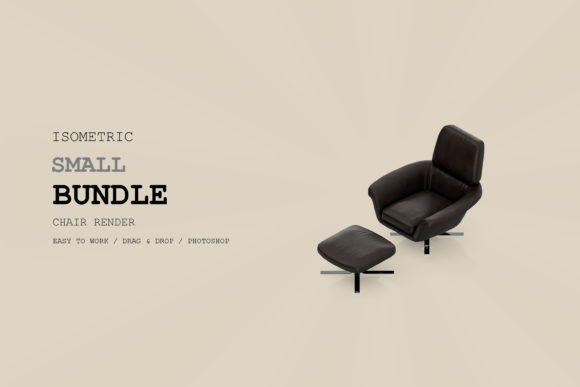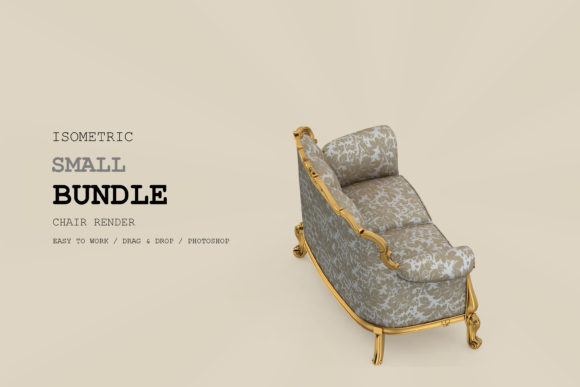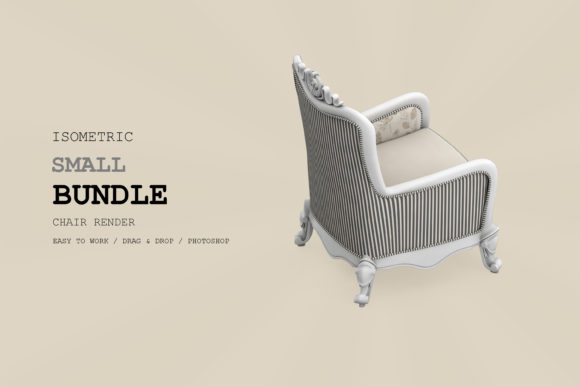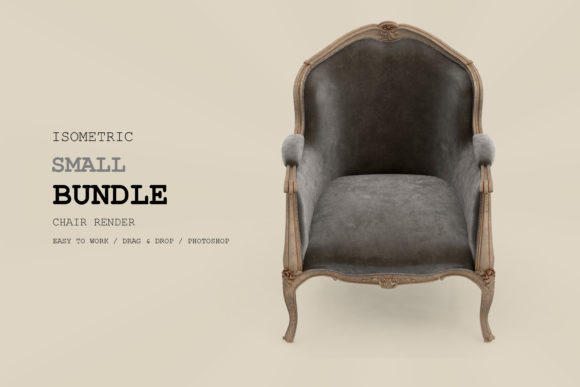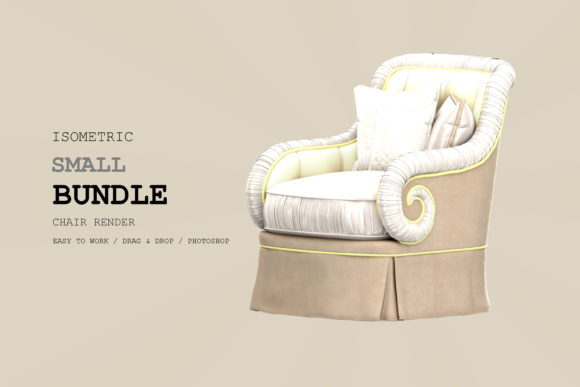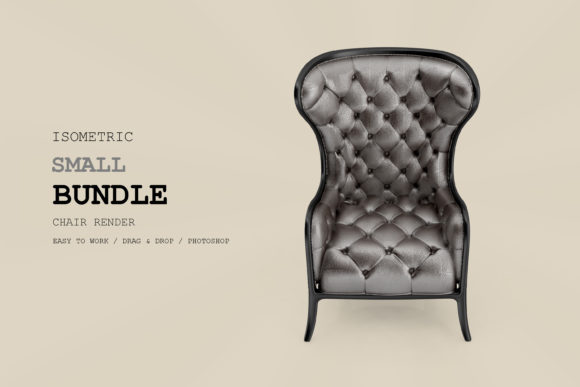
Isometric Armchair 3D Rendering Pac 120
In the modern digital landscape, visual content is no longer just supplementary; it is central to communication. Whether for architectural portfolios, e-commerce catalogs, or social media campaigns, high-quality imagery drives engagement. For designers and creators seeking a specific aesthetic—one that combines technical precision with artistic clarity—the Isometric Armchair 3D Rendering Pac 120 offers a specialized solution. This asset pack provides a pre-rendered, isometric view of an armchair, designed to be integrated seamlessly into various professional workflows.
This article evaluates the Isometric Armchair 3D Rendering Pac 120, exploring its technical specifications, potential use cases, and the practical considerations involved in selecting such assets for your projects. By understanding what this package entails, you can determine whether it aligns with your creative goals and technical requirements.
Understanding the Asset: What Is Isometric Armchair 3D Rendering Pac 120?
The term "Pac 120" suggests a curated collection or a specific product code within a larger library of 3D assets. At its core, the Isometric Armchair 3D Rendering Pac 120 is a high-fidelity digital representation of a single piece of furniture—an armchair—rendered in an isometric projection. Unlike perspective rendering, which mimics the human eye with vanishing points, isometric rendering uses parallel lines, creating a stylized, three-dimensional look that is easy to read and visually balanced.
The primary value of this specific package lies not just in the image itself, but in its preparation for post-production. It is not merely a flat JPEG; it is a structured file designed for flexibility. The inclusion of separated backgrounds, organized layers, and separated shadows indicates that the asset is built for manipulation. This allows users to change the context, adjust lighting effects, or composite the chair into complex scenes without starting from scratch.
Key Features and Technical Specifications
When evaluating a digital asset, technical details dictate usability. The Isometric Armchair 3D Rendering Pac 120 boasts several features that cater to professional design standards:
- Separated Background: The armchair is isolated on a transparent or distinct background layer. This feature is critical for compositing, allowing designers to place the furniture into any environment—be it a virtual room, a website header, or a print layout—without dealing with awkward cropping or masking issues.
- High Resolution and DPI 300: The asset is provided at a resolution suitable for both digital screens and high-quality print materials. A DPI (dots per inch) of 300 is the industry standard for print, ensuring that when the armchair is included in brochures, posters, or packaging, the edges remain sharp and the textures are clear, avoiding pixelation.
- Organized Layers: For users working in software like Adobe Photoshop or Illustrator, organized layers are invaluable. This structure typically separates the chair body, legs, cushions, and other components. This granularity allows for precise editing, such as changing the color of the upholstery or adjusting the position of individual parts.
- Separated Shadow: Realism in illustration often hinges on how an object interacts with its ground. A separated shadow layer allows the designer to control the intensity, blur, and angle of the shadow independently. This ensures the armchair looks grounded in whatever new background it is placed into, maintaining visual consistency.
- Help File: Professional assets often come with documentation. A help file provides instructions on how to open, edit, and export the files. This reduces the learning curve and ensures that even less experienced users can utilize the asset correctly.
Practical Applications and Use Cases
The versatility of the Isometric Armchair 3D Rendering Pac 120 makes it suitable for a wide range of industries and projects. Understanding where these applications lie helps in assessing the return on investment for acquiring such an asset.
Architecture and Interior Design
Architects and interior designers frequently use isometric views to present concepts to clients who may struggle with traditional floor plans or perspective renders. An isometric armchair can be used in mood boards, concept presentations, and marketing materials. The clean lines and lack of distortion make it ideal for showing how a specific piece of furniture fits within a spatial layout.
E-Commerce and Advertisement
In online retail, product images must be consistent and clear. While a photograph is often preferred, 3D renders offer advantages in consistency and cost. If a brand wants to showcase an armchair in multiple colors or settings without physically manufacturing prototypes, a 3D render is efficient. The high resolution and separated layers allow for quick variations, making this asset useful for digital advertisements, banner ads, and catalog listings.
School Projects and Academic Work
Students in graphic design, architecture, and marketing courses often need high-quality visuals for their portfolios and assignments. Using pre-made, professional-grade assets like the Isometric Armchair 3D Rendering Pac 120 allows students to focus on composition, layout, and presentation skills rather than spending hours modeling a simple chair from scratch. It serves as a reliable component in larger student projects.
Social Media and Blogging
Digital content creators require engaging visuals to capture attention. Isometric illustrations have a trendy, modern aesthetic that performs well on platforms like Instagram, Pinterest, and LinkedIn. A blog post about home decor trends can be significantly enhanced by including a crisp, scalable vector or high-res raster image of an armchair. The separated background makes it easy to overlay text or combine with other graphical elements.
Evaluation: Benefits and Tradeoffs
As with any design resource, there are tradeoffs to consider. Evaluating these factors will help you decide if the Isometric Armchair 3D Rendering Pac 120 is the right choice for your specific needs.
Benefits
The primary benefit is efficiency. Modeling a 3D object, texturing it, setting up lights, and rendering it to a high standard requires significant time and computing power. This package bypasses that process, providing a ready-to-use asset. Furthermore, the organized layers provide a level of customization that static images do not. You are not locked into a single appearance; you can adapt the chair to fit different color palettes and contexts.
Considerations and Limitations
One consideration is originality. Since this is a pre-made asset, using it means incorporating someone else’s work into your project. For large-scale commercial brands, relying heavily on stock assets might dilute brand uniqueness. Additionally, while the layers are organized, they may not match the specific workflow or software version of the user, potentially requiring some adjustment. Finally, the isometric style is specific; it does not suit every design brief. If a project requires photorealistic perspective or a different artistic style, this asset would not be appropriate.
Decision-Making Insights
To determine if the Isometric Armchair 3D Rendering Pac 120 is worth integrating into your workflow, ask yourself the following questions:
- Do I need scalability? If your project involves both web and print media, the high resolution and DPI 300 rating ensure quality across formats.
- Do I need flexibility? If you plan to change colors, backgrounds, or shadows frequently, the separated layers and background are essential features.
- Is speed a priority? If you are under a tight deadline and cannot afford to model the asset yourself, this package offers a rapid solution.
- Does the style fit? Ensure that the isometric aesthetic aligns with the overall visual language of your project.
If the answer to these questions is yes, the Isometric Armchair 3D Rendering Pac 120 represents a practical tool. It bridges the gap between raw 3D data and polished graphic design, offering a robust foundation for creative expression. Whether you are a seasoned architect, a student, or a digital marketer, leveraging such specialized assets can enhance the professionalism and clarity of your visual communications.