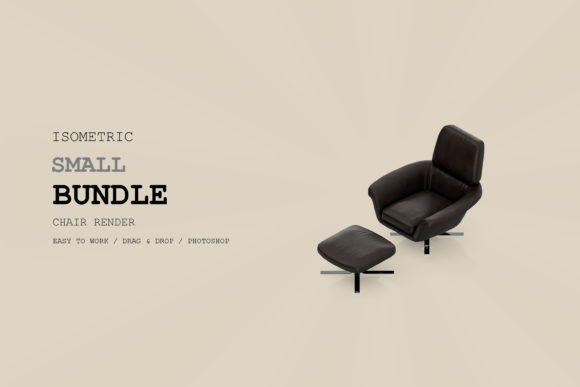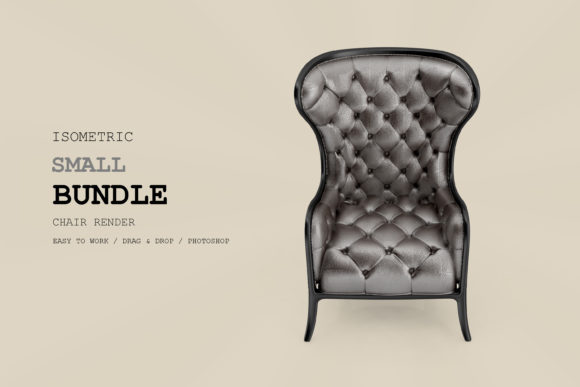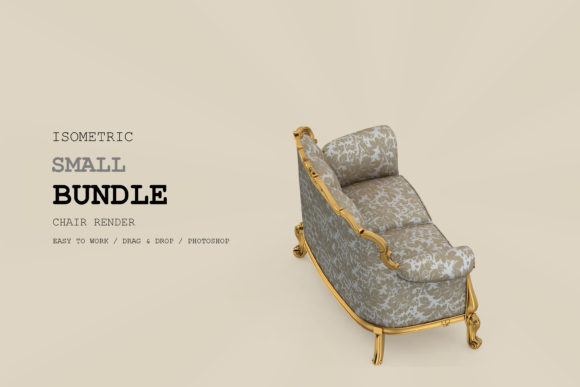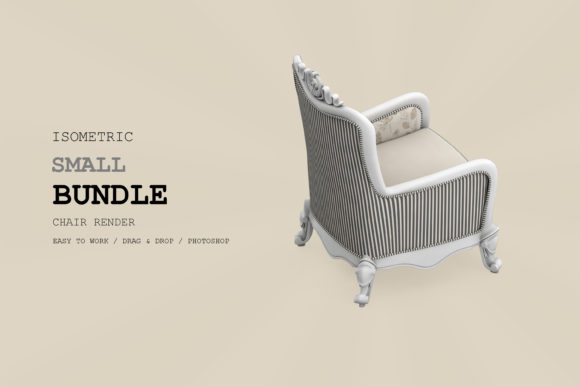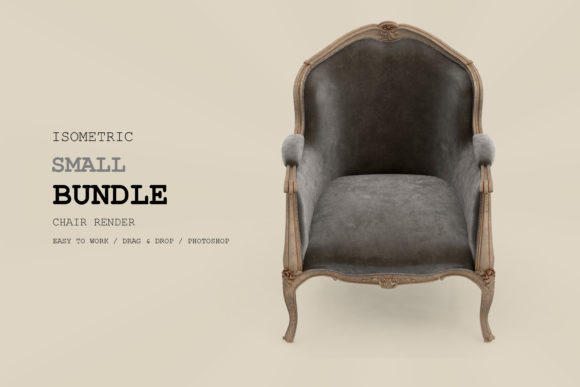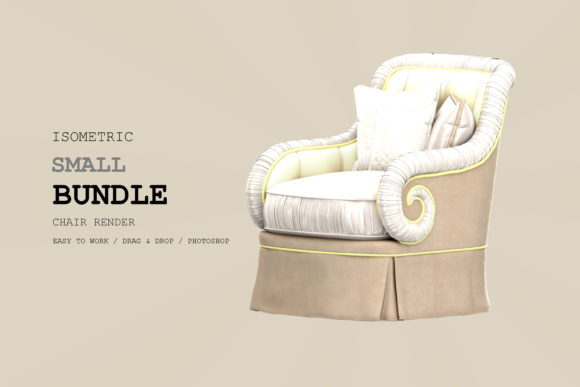
Isometric Armchair 3D Renderin Pa 151
In the landscape of digital asset creation, efficiency and precision are not just desirable traits; they are fundamental requirements for professional success. Whether you are an interior architect presenting a concept to a client, a marketer designing a social media campaign, or an educator creating visual aids for students, the quality of your supporting assets directly impacts the credibility of your final output. This is where specialized resources like Isometric Armchair 3D Renderin Pa 151 become indispensable tools in your workflow. It is not merely a static image file but a structured, high-fidelity component designed to integrate seamlessly into complex design processes.
The term "Pa 151" suggests a specific iteration within a larger library, implying a standardized approach to asset generation. Understanding what this asset entails—and more importantly, how it functions within your existing software ecosystem—is crucial for maximizing its utility. This article breaks down the technical specifications, practical applications, and integration strategies for Isometric Armchair 3D Renderin Pa 151, providing a clear roadmap for professionals who value organized, high-quality workflows.
Deconstructing the Asset: Technical Specifications and Workflow Benefits
To appreciate the value of Isometric Armchair 3D Renderin Pa 151, one must look beyond the visual appeal and examine its underlying structure. The asset is defined by several key characteristics that cater specifically to professional design standards.
- Separated Background: The armchair is rendered with a transparent or isolated background. This feature eliminates the need for time-consuming masking or cutout processes in post-production. For designers working under tight deadlines, this separation allows for immediate placement into various scenes without worrying about edge artifacts or inconsistent lighting on the backdrop.
- High Resolution and DPI 300: In the realm of print media, resolution is non-negotiable. A standard screen resolution (72 or 96 DPI) often results in pixelation when scaled up for physical outputs. Isometric Armchair 3D Renderin Pa 151 boasts a 300 DPI resolution, ensuring crisp lines and smooth gradients whether it is displayed on a 4K monitor or printed on a large-format poster. This dual capability makes it versatile for both digital-first and hybrid campaigns.
- Organized Layers: Perhaps the most critical feature for advanced users is the layer organization. Unlike flattened images, this asset retains structural integrity within the file. Designers can isolate specific components of the chair—such as the cushions, frame, or legs—for independent editing, color adjustment, or texturing. This level of control facilitates rapid prototyping and customization, allowing a single asset to serve multiple aesthetic needs without requiring new renders.
- Separated Shadow: Realism in isometric projection relies heavily on accurate shadow placement. By providing a separated shadow layer, the asset allows users to adjust opacity, blur, and position independently of the main object. This ensures that the chair casts shadows consistent with the lighting environment of the scene it is placed in, enhancing depth and realism without altering the geometry of the chair itself.
- Help File: Comprehensive documentation is often overlooked but is vital for efficient onboarding. The inclusion of a help file provides guidance on file formats, recommended software versions, and best practices for integration. This reduces the learning curve and minimizes errors during implementation.
Strategic Applications Across Industries
The versatility of Isometric Armchair 3D Renderin Pa 151 stems from its adherence to universal design principles. Its isometric perspective offers a clean, geometric clarity that is widely favored in modern graphic design, user interface (UI) development, and architectural visualization. Below are specific scenarios where this asset can be leveraged effectively.
Architecture and Interior Design Visualization
For architects and interior designers, communication is as important as construction. Clients often struggle to interpret traditional floor plans or abstract 3D models. Isometric views provide a middle ground, offering enough detail to understand spatial relationships while maintaining a stylized, easy-to-read aesthetic. When preparing presentation boards or client proposals, inserting Isometric Armchair 3D Renderin Pa 151 allows designers to populate their scenes with high-quality furniture pieces instantly. The separated shadow and background features ensure that the chair integrates naturally into the room’s lighting scheme, making the rendering appear cohesive rather than pasted-on. Furthermore, the ability to adjust the chair’s texture via organized layers means a designer can quickly swap fabric colors to match a client’s preferred palette, streamlining the revision process.
Digital Marketing and Social Media Campaigns
In the fast-paced world of social media marketing, visual consistency and speed are paramount. Brands often need to produce a high volume of content for platforms like Instagram, Pinterest, and LinkedIn. Isometric illustrations have gained significant traction in these spaces due to their clean, modern look. Using Isometric Armchair 3D Renderin Pa 151, marketers can create engaging posts that highlight product features or lifestyle concepts. The high resolution ensures the image looks sharp on retina displays, while the separated background allows for easy compositing onto branded backgrounds or promotional banners. For e-commerce businesses, this asset can be used in "how-it-looks-in-your-home" style graphics, helping customers visualize furniture in a simplified, artistic manner.
Educational Materials and E-Learning
Educators and instructional designers constantly seek ways to make complex information accessible. Visual aids play a crucial role in this process. Whether creating slides for a university lecture on design theory or developing interactive modules for online courses, Isometric Armchair 3D Renderin Pa 151 serves as a reliable visual anchor. The organized layers allow educators to break down the anatomy of the chair, highlighting different materials or construction techniques in separate steps. This pedagogical approach supports active learning, enabling instructors to build diagrams incrementally. Additionally, the print-ready 300 DPI resolution ensures that handouts and physical study guides maintain high quality.
Web Design and User Interface Elements
Modern web design often incorporates illustrative elements to enhance user experience and brand personality. Isometric icons and assets are particularly popular in SaaS landing pages and tech blogs because they convey technology and structure effectively. Isometric Armchair 3D Renderin Pa 151 can be adapted for use in web interfaces, perhaps as part of a virtual showroom feature or a decorative element on a home decor blog. The separated background simplifies the integration process, allowing developers to overlay the asset using CSS or HTML without dealing with opaque rectangular boxes. The high resolution also supports responsive design, ensuring the asset remains crisp across various device sizes.
Integration Best Practices for Seamless Implementation
Acquiring a high-quality asset is only the first step. To truly benefit from Isometric Armchair 3D Renderin Pa 151, users must adopt a disciplined approach to file management and integration. Here are practical tips for incorporating this asset into your daily workflow.
- File Format Compatibility: Before beginning any project, verify the native file format of Isometric Armchair 3D Renderin Pa 151. Most professional layered assets are provided in PSD (Photoshop), AI (Illustrator), or EPS formats. Ensure your software suite supports these formats natively to preserve layer data. If you are working in vector-based programs like Affinity Designer or CorelDRAW, check if the layers convert cleanly to avoid manual reconstruction.
- Color Profile Management: Since the asset is designed for both print (300 DPI) and web use, color management is critical. RGB color profiles are ideal for screen-based projects, while CMYK is necessary for print. Use the help file to determine the default color profile of the asset. If it differs from your project settings, perform a controlled conversion to prevent unexpected shifts in hue or saturation, particularly in skin tones or vibrant fabrics.
- Lighting Consistency Checks: Even with a separated shadow, the perceived realism of the chair depends on the ambient light of the scene. Before finalizing your composition, analyze the direction and hardness of light sources in your background image. Adjust the angle and softness of the shadow layer in Isometric Armchair 3D Renderin Pa 151 to match. Small discrepancies in shadow direction can break immersion and signal to the viewer that the element is artificial.
- Version Control and Organization: As you experiment with different textures and positions, save incremental versions of your work. Utilize the organized layers to group related adjustments. For example, create a folder for "Chair Base," another for "Shadows," and a third for "Background Composites." This organizational habit pays off significantly when collaborating with team members or returning to the project after a break.
- Scalability Testing: Always test the asset at various scales. While 300 DPI is excellent for print, zooming in excessively on a rasterized section might reveal pixelation if the source file was not constructed with infinite scalability in mind. If you plan to scale the chair significantly larger than its original dimensions, consider exporting specific vector paths if available, or accept the limitations of the raster resolution.
Long-Term Value and Resource Efficiency
Investing in well-crafted assets like Isometric Armchair 3D Renderin Pa 151 contributes to long-term resource efficiency. Rather than commissioning custom 3D renders for every minor variation—a process that can take days and incur significant costs—professionals can rely on a library of high-quality, editable assets. This approach accelerates the creative process, allowing teams to focus on strategy and storytelling rather than technical execution.
Moreover, the modular nature of the asset encourages experimentation. Designers can mix and match different furniture pieces from similar libraries, creating unique compositions without starting from scratch. This flexibility fosters innovation and allows for rapid iteration based on feedback. For freelancers and small business owners, this translates to faster turnaround times and higher profit margins, as less billable time is spent on basic modeling and rendering tasks.
In conclusion, Isometric Armchair 3D Renderin Pa 151 represents a convergence of aesthetic quality and technical utility. Its features—separated background, high resolution, organized layers, and separated shadow—are not just checkboxes on a product description; they are functional tools that streamline design workflows. By understanding how to integrate this asset into architecture, marketing, education, and web design projects, professionals can elevate their visual communications, reduce production time, and deliver more polished, impactful results. Embracing such specialized resources is a strategic move for anyone looking to optimize their creative output in a competitive digital landscape.