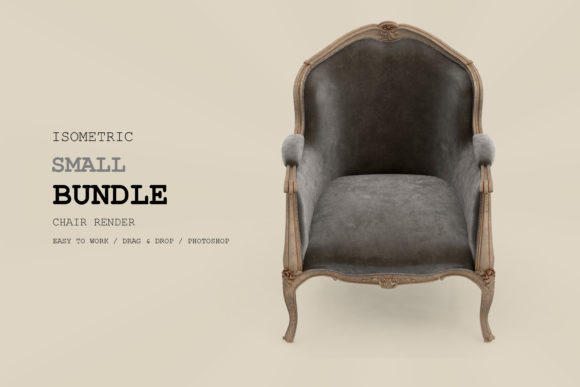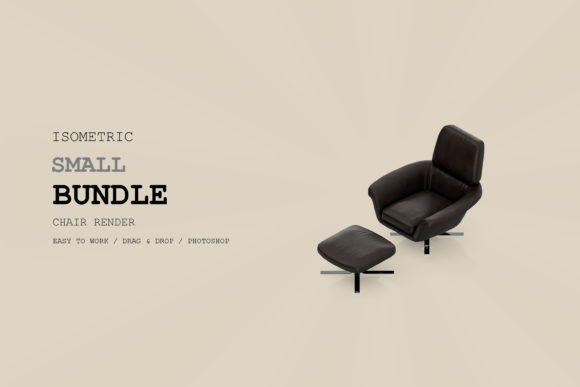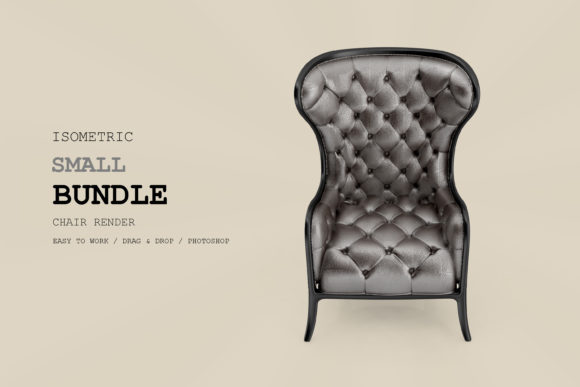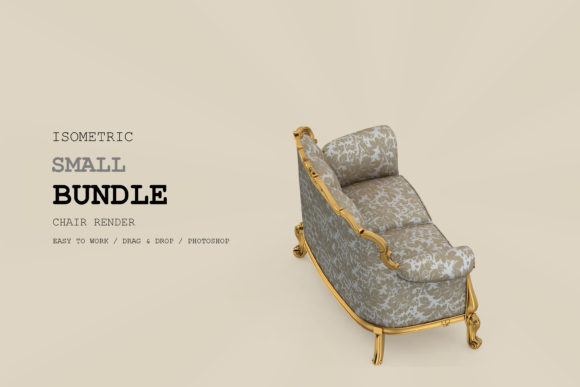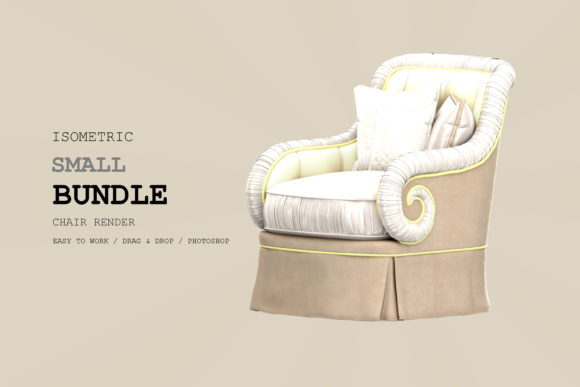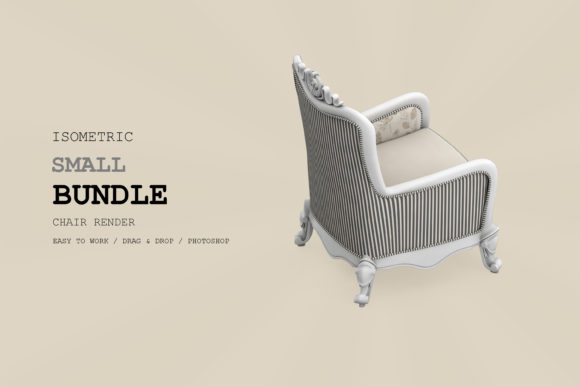
Isometric Armchair 3D Rendering Pack 48
When you are designing a digital space, whether it is for a client’s website, a social media campaign, or an interior design portfolio, the quality of your assets can make or break the presentation. This is where Isometric Armchair 3D Rendering Pack 48 steps in as a critical tool for creators who demand precision without spending hours modeling from scratch. While many designers rush to download any available asset pack, doing so often leads to frustrating workflow interruptions and compromised visual quality. Understanding the specific features of this pack—and knowing what to look for before integrating it into your projects—is essential for maintaining professional standards.
The Isometric Armchair 3D Rendering Pack 48 is not just a single image file; it is a comprehensive collection designed for versatility. It includes high-resolution renders that capture the intricate details of modern seating furniture, presented in the popular isometric perspective. This angle has become a staple in tech illustrations, architectural visualizations, and e-commerce designs because it provides depth and clarity simultaneously. However, simply having a pretty picture is rarely enough for serious projects. The true value lies in how the files are structured, which brings us to the common pitfalls many users encounter when selecting 3D assets.
Why File Structure Matters More Than Aesthetics
A frequent mistake among beginners and even some intermediate designers is prioritizing visual appeal over file organization. You might find an armchair render that looks stunning on its own, but if it is flattened into a single layer with no transparency, its utility drops significantly. This is where the Separated background feature of Pack 48 becomes indispensable. When a background is separated, you gain the freedom to place the armchair on any color, texture, or gradient without dealing with ugly white boxes or mismatched edges. This separation allows for seamless integration into complex compositions, ensuring that your final output looks intentional and polished rather than like a cut-and-paste job.
Furthermore, consider the importance of Organized layers. In professional workflows, time is money. If you need to adjust the lighting, change the color of the fabric, or tweak the shadow intensity, you need access to those elements individually. A disorganized file forces you to either manually reconstruct parts of the image or settle for a subpar result. Pack 48 addresses this by providing clearly labeled and grouped layers. This structure empowers you to make granular adjustments, giving you control over the final look while saving valuable editing time. Without this organization, you risk creating a rigid asset that cannot adapt to different design needs, limiting its long-term value.
Resolution and Print Readiness
One of the most overlooked aspects of digital asset acquisition is resolution. Many designers assume that "high definition" is sufficient for all purposes, but this assumption can lead to pixelated prints and blurry displays. The High resolution and DPI 300 specifications of Isometric Armchair 3D Rendering Pack 48 are not just marketing terms; they are technical requirements for print-ready materials. If you plan to use these images in brochures, posters, or physical presentations, a DPI of 300 ensures that every curve and stitch remains crisp and clear. Lower resolution files may look fine on a small mobile screen but will appear jagged and unprofessional when scaled up for large-format printing.
To avoid the disappointment of low-quality outputs, always verify the DPI settings before purchasing or downloading. Check if the provider offers scalable vector formats alongside raster images, or ensure that the raster files are sufficiently large. By choosing a pack that explicitly states a DPI of 300, you are safeguarding your work against quality degradation. This attention to detail signals professionalism to clients and stakeholders, reinforcing the credibility of your design work.
Lighting and Depth: The Role of Separated Shadows
Flat images often lack presence. To create a sense of realism and grounding, shadows are crucial. A common error is relying on pre-baked shadows that do not match the ambient lighting of your project. If your background is bright and airy, but the armchair casts a harsh, dark shadow, the composition will feel disjointed. The Separated shadow feature in Pack 48 solves this problem by isolating the shadow element. This allows you to adjust the opacity, blur, and color of the shadow independently to match your scene’s lighting conditions. It gives you the flexibility to create soft, subtle grounds for minimalist designs or deeper, more dramatic shadows for moody aesthetics. Ignoring this feature means accepting a one-size-fits-all approach that rarely fits perfectly.
Practical Applications and Workflow Efficiency
Once you have secured a well-structured, high-quality asset pack, the next step is understanding where it fits best. The versatility of Isometric Armchair 3D Rendering Pack 48 extends across numerous fields. For School projects, students can quickly create engaging presentations that demonstrate spatial awareness and design principles without needing advanced 3D modeling skills. Social Network content benefits greatly from the clean, eye-catching nature of isometric views, which perform well in feeds and stories due to their clarity and aesthetic appeal.
In the realm of Architecture design, these renders serve as excellent placeholders or finished elements in floor plans and room layouts. They help clients visualize furniture placement and scale within a space. Blogs and Advertisements also leverage these graphics to break up text-heavy content and draw attention to key products or services. Even Websites can utilize these assets for hero sections or feature highlights, enhancing user experience through visually appealing navigation aids. The inclusion of a Help file further streamlines this process, offering guidance on how to open, edit, and customize the files, which is particularly helpful for those new to working with layered PSDs or similar formats.
Evaluating Your Choice Before Committing
Before integrating Isometric Armchair 3D Rendering Pack 48 into your workflow, take a moment to evaluate your specific needs. Ask yourself if you require editable layers for future modifications. Consider whether the resolution meets both your digital and print requirements. Verify that the shadow and background separation aligns with your typical design style. By conducting this quick assessment, you ensure that the asset pack complements your existing tools and enhances your creative output rather than hindering it. Remember, the right tool simplifies complexity. With a well-organized, high-resolution pack featuring separated elements, you can focus on creativity and storytelling, leaving the technical heavy lifting to the assets themselves.