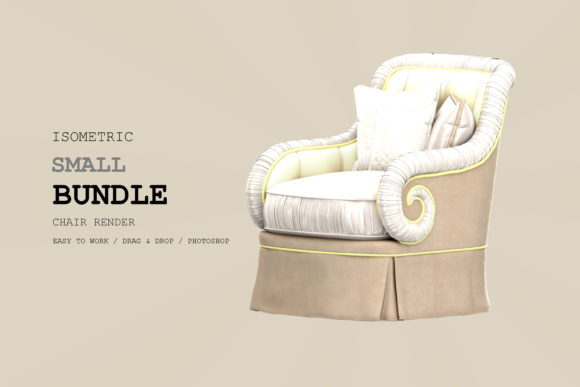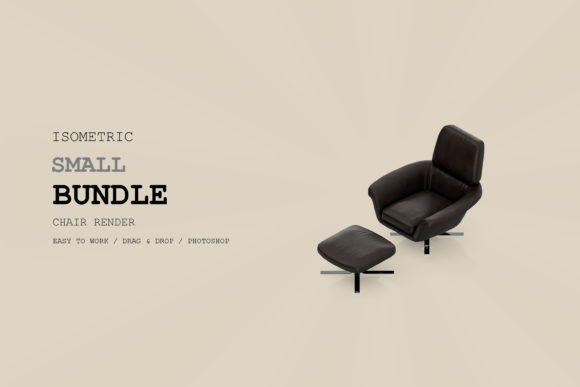
Isometric Armchair 3D Rendering Pac 134: A Comprehensive Evaluation for Design Professionals
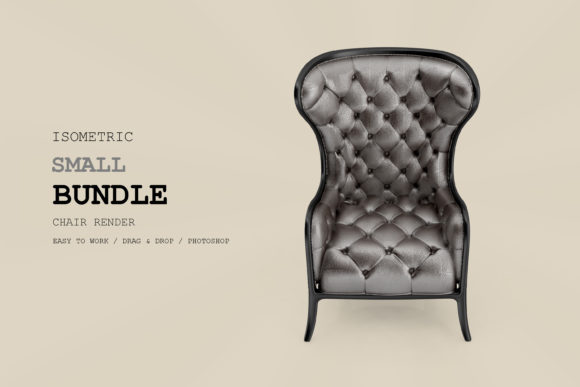
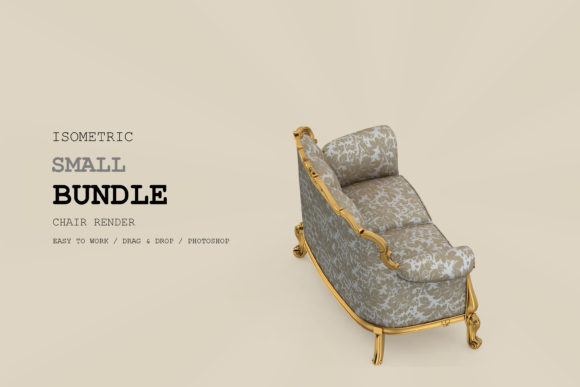
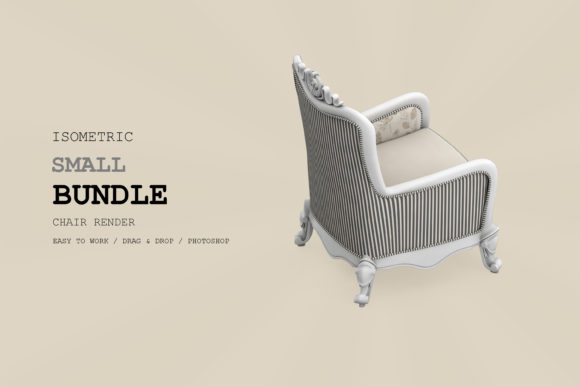
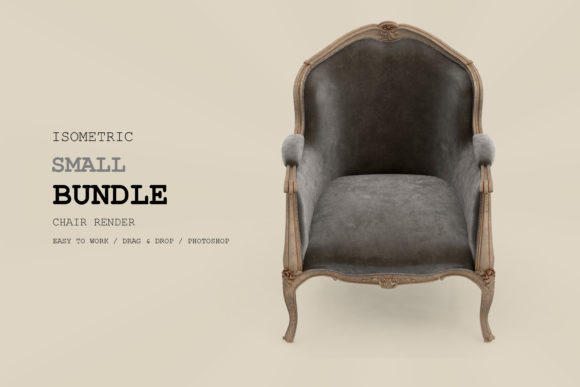
In the rapidly evolving landscape of interior design, architectural visualization, and digital marketing, the demand for high-quality, versatile visual assets has never been higher. Among the various tools available to professionals, Isometric Armchair 3D Rendering Pac 134 has emerged as a specialized resource designed to streamline the creation of isometric views. This package offers more than just a static image; it provides a structured, editable file that caters to the specific needs of designers who require precision, clarity, and adaptability in their presentations.
For architects, interior stylists, and content creators, choosing the right asset can significantly impact the efficiency of a project. Isometric Armchair 3D Rendering Pac 134 stands out due to its technical specifications and organizational structure. By understanding its features, limitations, and ideal use cases, professionals can determine whether this tool fits into their current workflow or if alternative solutions might be more appropriate.
Understanding the Core Features of Isometric Armchair 3D Rendering Pac 134
The primary appeal of Isometric Armchair 3D Rendering Pac 134 lies in its technical construction. Unlike flat JPEGs or PNGs that offer no room for modification, this package is built with an organized layer structure. This feature is critical for professionals who need to customize visuals without starting from scratch. The separation of elements allows users to tweak colors, adjust textures, or modify the chair’s position independently, ensuring that the final output aligns perfectly with specific brand guidelines or design concepts.
One of the most distinct characteristics of this rendering is the separated background. In many design scenarios, integrating a product into a new environment requires a clean cutout. With the background already removed, designers can seamlessly place the armchair into various scenes—whether it’s a minimalist living room, a bustling café, or a corporate office space. This saves hours of manual masking work in software like Photoshop or Illustrator, allowing for faster iteration and client presentations.
Furthermore, the inclusion of a separated shadow adds a layer of realism that is often difficult to achieve with standard stock images. Shadows ground objects in their environment, providing depth and perspective. In an isometric view, where lighting angles are fixed and precise, having a dedicated shadow layer ensures that the armchair looks naturally integrated rather than floating above the surface. This attention to detail is particularly valuable in architectural design, where accuracy and visual coherence are paramount.
Technical Specifications and Quality Standards
When evaluating digital assets, resolution and file format are decisive factors. Isometric Armchair 3D Rendering Pac 134 is delivered in high resolution with a DPI of 300. This specification is crucial for print projects, where lower-resolution images can appear pixelated or blurry when scaled up. For professionals working on brochures, lookbooks, or large-format posters, the 300 DPI standard ensures crisp lines and smooth gradients, maintaining the integrity of the design across all media types.
The organized layers mentioned earlier are not just a convenience; they are a professional necessity. Complex designs often involve multiple elements that need individual control. Whether you are adjusting the opacity of the shadow, changing the hue of the upholstery, or moving the chair within a composition, having these elements separated simplifies the editing process. Additionally, the package includes a help file, which serves as a guide for users who may be less familiar with the file structure. This support reduces the learning curve and ensures that even novice users can utilize the asset effectively.
Comparing Isometric Assets: Why Structure Matters
Not all 3D renderings are created equal. When comparing Isometric Armchair 3D Rendering Pac 134 to other options in the market, the distinction often comes down to editability and preparation. Many free or low-cost resources provide flattened images that require significant post-processing. Users must manually remove backgrounds, recreate shadows, and adjust perspectives to make the asset usable. In contrast, Pac 134 offers a "ready-to-edit" solution that respects the designer’s time.
However, this level of preparation comes with considerations. The specificity of an isometric view means that the asset is rigid in its angle. While this is beneficial for consistency in infographics or pattern designs, it may limit flexibility if a designer needs a dynamic, angled shot of the chair. Alternatives such as photorealistic 3D models (.obj or .fbx files) offer full rotational freedom but require advanced software skills and rendering time. Isometric Armchair 3D Rendering Pac 134 occupies a middle ground: it offers high visual quality and ease of use without the steep learning curve associated with full 3D modeling suites.
Ideal Use Cases and Applications
The versatility of Isometric Armchair 3D Rendering Pac 134 makes it suitable for a wide range of applications. Its structured nature and high resolution allow it to shine in several key areas:
- Architecture and Interior Design: Architects often use isometric views to present spatial relationships clearly. This rendering can be integrated into floor plans or elevation drawings to showcase furniture placement without cluttering the technical details.
- School Projects and Education: For students in design courses, this package provides a high-quality example of professional rendering standards. The organized layers serve as an educational tool, demonstrating how complex objects can be broken down into manageable components.
- Social Media and Digital Marketing: In the age of visual-first platforms like Instagram and Pinterest, engaging graphics are essential. The separated background and shadow allow marketers to create eye-catching posts that stand out against varied feeds. The high resolution ensures that the image remains sharp even when viewed on high-DPI mobile screens.
- Print Projects: From magazine advertisements to catalog pages, the 300 DPI resolution guarantees professional output. Designers can trust that the colors and details will translate accurately to physical paper, avoiding the disappointment of pixelation upon printing.
- Website and Blog Content: Web designers can use the asset to enhance landing pages or blog posts about furniture trends. The lightweight nature of the layered file (depending on the export format) allows for optimized web performance while maintaining visual quality.
- Advertisement Campaigns: For e-commerce brands, consistent product imagery is vital. Using isometric views can create a cohesive brand aesthetic across different product lines, making the shopping experience more intuitive and visually appealing.
Evaluating Tradeoffs and Limitations
While Isometric Armchair 3D Rendering Pac 134 offers numerous advantages, it is important to acknowledge its limitations. The isometric perspective is inherently two-dimensional in its presentation, despite being derived from a 3D model. This means it lacks the immersive depth of a virtual walkthrough or a photograph taken from a dynamic angle. For projects requiring emotional connection through lifestyle photography, this asset may feel too clinical or stylized.
Additionally, the specificity of the armchair design itself may not match every interior style. If a designer is working on a project featuring mid-century modern furniture, a contemporary upholstered armchair might not fit the aesthetic. In such cases, finding a matching asset becomes crucial. However, the ability to recolor and texture the chair via the organized layers can mitigate some of these stylistic mismatches, offering a degree of customization that flat images do not provide.
Decision Factors: When to Choose Isometric Armchair 3D Rendering Pac 134
Selecting the right visual asset depends on the specific goals of the project. Isometric Armchair 3D Rendering Pac 134 is an excellent choice when speed, consistency, and editability are priorities. It is particularly well-suited for projects that require multiple variations of the same object, such as creating a series of social media posts or illustrating different room layouts in a single infographic.
Conversely, if a project demands photorealism, emotional storytelling, or dynamic camera angles, a traditional 3D model or professional photography session might be more appropriate. The decision should also consider the user’s technical proficiency. Those comfortable with layer-based editing software will find Pac 134 highly efficient, while those seeking plug-and-play simplicity might prefer pre-rendered video animations.
Ultimately, Isometric Armchair 3D Rendering Pac 134 represents a thoughtful balance between quality and utility. By providing high-resolution, well-organized, and easily adaptable visuals, it empowers designers to focus on creativity rather than technical hurdles. Whether used in academic settings, commercial advertising, or architectural presentations, this package offers a reliable foundation for creating compelling isometric compositions.
As the digital design landscape continues to grow, the value of assets that save time without compromising quality will only increase. For professionals looking to enhance their visual communication toolkit, exploring options like Isometric Armchair 3D Rendering Pac 134 can lead to more efficient workflows and stronger final outputs. By carefully weighing the features against project requirements, designers can make informed decisions that elevate their work and meet the expectations of their clients and audiences.