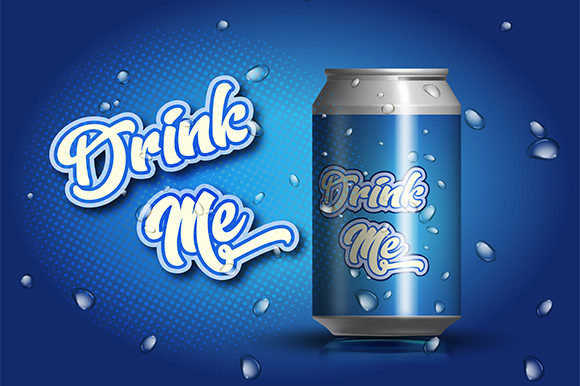
3D SVG Realistic Soda Can: A Comprehensive Design Resource Guide
In the modern digital landscape, visual fidelity is paramount. Whether you are designing a high-stakes marketing campaign, creating content for social media, or building an immersive web experience, the quality of your imagery can make or break user engagement. This is where specialized assets like the 3D SVG Realistic Soda Can become indispensable tools for creators and business owners alike. Unlike traditional raster images that lose clarity when scaled, vector-based 3D representations offer a unique blend of depth, realism, and technical flexibility.
This guide explores the nuances of utilizing high-quality 3D soda can designs, detailing their features, applications, and the practical benefits they bring to various professional workflows. By understanding how to leverage these resources, you can elevate your projects from standard to spectacular.
The Evolution of Digital Beverage Imagery
For years, designers relied heavily on photographing physical products or using basic 2D illustrations. While photographs offer realism, they come with significant logistical hurdles: lighting setup, product styling, post-processing, and licensing restrictions. On the other hand, flat illustrations often lack the tactile appeal necessary to stimulate appetite or desire in consumers.
The introduction of the 3D SVG Realistic Soda Can bridges this gap. It combines the photorealistic rendering of 3D modeling with the infinite scalability of Scalable Vector Graphics (SVG). This hybrid approach allows for a level of customization that was previously impossible without expensive 3D software expertise. You get the look of a cold, condensation-covered aluminum can with the editability of a graphic design file.
Key Features and Technical Specifications
When evaluating a premium design asset like the 3D SVG Realistic Soda Can, it is crucial to understand what lies beneath the surface. High-quality downloads typically provide a comprehensive package designed to support diverse editing needs. Here is what you can expect from a professional-grade resource:
- Multi-Format Compatibility: A robust download usually includes files in Editable AI (Adobe Illustrator), SVG (Scalable Vector Graphics), PNG (Portable Network Graphics), and JPEG. This ensures compatibility across various platforms, from print production to web development.
- High Resolution Output: The inclusion of 300 DPI raster exports (PNG and JPEG) guarantees that the imagery will remain crisp and clear even in large-format print materials such as billboards, brochures, or packaging mockups.
- Vector Editability: The AI and SVG files allow for non-destructive editing. You can change colors, adjust shadows, modify labels, and manipulate the curvature of the can without losing image quality.
- Realistic Textures: True-to-life simulations of aluminum reflections, label paper textures, and environmental lighting effects create a sense of presence that flat graphics cannot achieve.
Why Choose Vector Over Raster for Product Design?
One of the most common questions among new designers is why they should opt for a vector format like SVG over a standard photo. The answer lies in versatility and future-proofing.
Raster images are made of pixels. If you stretch a low-resolution soda can photo to fit a billboard, it becomes pixelated and blurry. In contrast, the 3D SVG Realistic Soda Can is constructed using mathematical paths. This means you can scale the can from the size of a postage stamp to the width of a skyscraper without any degradation in quality. For businesses that need consistent branding across multiple mediums—from mobile app icons to large-scale event banners—this capability is invaluable.
Furthermore, vector files are significantly smaller in file size compared to high-resolution photos, leading to faster website load times and easier storage management. When combined with the realistic aesthetic of 3D rendering, you get the best of both worlds: performance and beauty.
Practical Applications Across Industries
The utility of a 3D SVG Realistic Soda Can extends far beyond simple decoration. Various sectors utilize these assets to enhance communication and drive sales.
Marketing and Advertising
Advertising agencies frequently use these assets to create mockups for beverage clients. Instead of waiting weeks for a photoshoot, marketers can generate dozens of variations of a soda can in different colors and settings within hours. This speed allows for rapid A/B testing of ad creatives, helping brands identify the most effective visual strategies quickly.
Web and App Development
For food delivery apps, online grocery stores, or restaurant websites, high-quality visuals are essential for conversion. Using SVG versions of soda cans ensures that the interface loads quickly on all devices while maintaining sharpness on high-density Retina displays. The interactivity of SVG also allows developers to add hover effects, animations, or click interactions, enhancing user engagement.
Educational and Presentation Materials
Educators and corporate presenters often struggle to find generic yet realistic props for their slides. A clean, isolated 3D soda can can be used to illustrate concepts related to consumer behavior, supply chain logistics, or nutritional science. The ability to extract specific parts of the can, such as just the label or the pull-tab, adds another layer of instructional value.
Evaluating Suitability for Your Project
Before integrating a 3D SVG Realistic Soda Can into your workflow, consider the following factors to ensure it aligns with your project goals:
- Customization Needs: Do you need to replace the label with your own brand? If so, ensure the downloaded file includes layered AI or SVG components that make label swapping easy.
- Technical Proficiency: While SVGs are powerful, manipulating them may require some knowledge of vector editing software like Adobe Illustrator, Affinity Designer, or free alternatives like Inkscape. If you lack this skill, starting with a high-DPI PNG might be a more immediate solution.
- Contextual Realism: Consider the environment where the image will be placed. Does it need to sit on a table with realistic shadows, or does it need to float against a white background for e-commerce? Ensure the asset provided matches the required context.
Limitations and Considerations
While the 3D SVG Realistic Soda Can offers numerous advantages, it is not a silver bullet. One limitation is that true photorealism in vector formats is still an evolving art form. Depending on the complexity of the lighting and texture, a vector render might appear slightly "cleaner" or more stylized than a raw photograph. For projects requiring absolute documentary realism, a high-end photograph might still be preferred.
Additionally, browser support for complex SVG filters and gradients, while excellent in modern browsers, can sometimes vary in older systems. Always test your final output across different devices to ensure consistency.
Conclusion
The availability of high-quality, editable, and scalable assets like the 3D SVG Realistic Soda Can represents a significant leap forward in digital design efficiency. By offering a download package that includes Editable AI, SVG, PNG, and JPEG formats at 300 DPI, creators are empowered to produce stunning visuals without the constraints of traditional photography.
Whether you are a small business owner launching a new drink brand, a web developer optimizing site aesthetics, or a marketer crafting compelling ads, leveraging these resources can save time, reduce costs, and enhance the overall quality of your visual communication. As technology continues to advance, the line between digital illustration and reality will continue to blur, making tools like the 3D SVG Realistic Soda Can an essential part of the modern creator's toolkit.
To get started, explore available libraries of these assets, experiment with different configurations, and discover how realistic vector graphics can transform your next project.