Swan 3d Layered: A Comprehensive Guide to Versatile Digital Design Assets
In the rapidly evolving world of digital crafting and graphic design, the demand for high-quality, versatile assets has never been higher. Whether you are a hobbyist looking to personalize gifts, a small business owner creating branded merchandise, or a professional designer seeking efficient workflow tools, the right file format can make all the difference. Among the various resources available, Swan 3d Layered has emerged as a popular choice for creators who value precision, scalability, and ease of use. This article explores what these files are, how they function, and why they have become an essential component in modern DIY and commercial design projects.
Understanding the Swan 3d Layered Concept
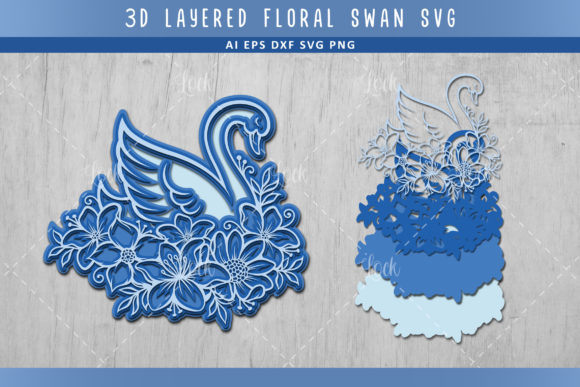
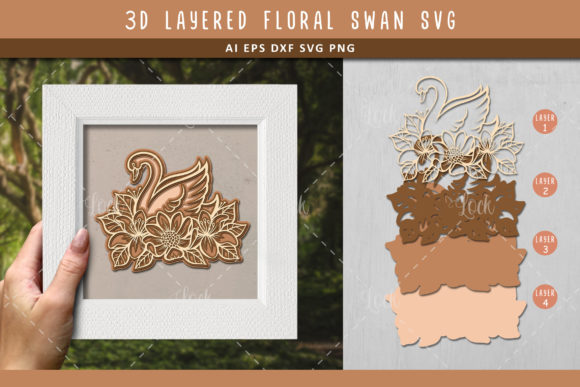
The term "Swan 3d Layered" refers to a specific type of digital design asset that utilizes depth and dimensionality through layered vector graphics. Unlike flat images, which exist on a single plane, layered designs allow for complex visual effects by stacking different elements. The "Swan" aspect typically denotes the subject matter—a graceful bird often associated with elegance and beauty—while "3d Layered" describes the technical execution. These designs are constructed using multiple layers that, when cut or printed separately and assembled, create a three-dimensional appearance.
This approach is particularly effective for paper crafts, vinyl decals, and laser-cut projects. By separating the design into distinct components, creators can manipulate shadows, highlights, and physical depth, resulting in a finished product that looks far more sophisticated than a standard two-dimensional cutout. The beauty of this method lies in its adaptability; it bridges the gap between traditional craftsmanship and modern digital technology.
Technical Specifications and File Formats
One of the primary advantages of purchasing a Swan 3d Layered set is the comprehensive nature of the included file formats. A typical purchase provides a ZIP archive containing five distinct file types: .AI, .EPS, .PNG, .SVG, and .DXF. Each format serves a specific purpose, ensuring compatibility across a wide range of software and hardware.
- .AI (Adobe Illustrator): This is the native format for Adobe Illustrator, offering full editing capabilities for professional designers. It retains all layer structures, color profiles, and vector paths, allowing for precise adjustments before production.
- .EPS (Encapsulated PostScript): A widely supported vector format compatible with many design applications beyond Adobe’s ecosystem. EPS files preserve scalability and are ideal for sending to print shops or using in older design software.
- .PNG (Portable Network Graphics): These are raster images with transparent backgrounds. They are perfect for quick previews, web usage, or printing directly without needing vector-editing software. High-resolution PNGs ensure clarity even when viewed on screens.
- .SVG (Scalable Vector Graphics): The go-to format for cutting machines like Cricut, Silhouette, and Cameo. SVGs are XML-based vector files that retain layer information, making them easy to import into cutting software where individual layers can be assigned different colors or materials.
- .DXF (Drawing Exchange Format): Essential for laser cutters and CNC routers. DXF files contain geometric data that machinery can interpret to cut wood, acrylic, or metal with high precision.
This multi-format inclusion means that users do not need to convert files manually, saving time and reducing the risk of quality loss during translation between programs. The ability to resize these files without losing quality is a critical feature. Because they are vector-based (except for the PNG), you can scale a swan design from a small sticker size to a large wall mural without pixelation or blurriness.
Compatibility with Cutting and Laser Equipment
The versatility of Swan 3d Layered designs shines when used with automated cutting and engraving tools. For those using handheld or desktop cutting machines such as the Cricut Maker, Silhouette Cameo, or Grasshopper, the SVG and DXF files provide seamless integration. These machines read the vector paths and execute cuts with micron-level accuracy.
For laser enthusiasts, the layered nature of the design allows for intricate detailing. When working with materials like basswood, plywood, or acrylic, the laser can cut along the defined paths while potentially etching details on specific layers. This creates a stunning effect where certain parts of the swan appear to float above others, adding true physical depth to the artwork.
Furthermore, these files are not limited to rigid materials. Vinyl enthusiasts can use the layers to create multi-colored decals. By assigning different colors to different layers in their cutting software, users can align multiple vinyl sheets perfectly to build up the image, achieving a rich, textured look that mimics painting or illustration.
Material Diversity and Creative Applications
A common misconception is that digital cut files are restricted to paper or vinyl. However, the robust structure of Swan 3d Layered files supports a vast array of materials. Here are some practical applications based on material choice:
- Paper and Cardstock: Ideal for wedding invitations, scrapbooking, and greeting cards. The layered effect adds a tactile element that elevates the perceived value of stationery items.
- Vinyl: Used for car decals, laptop skins, and window clings. The transparency of vinyl allows for creative overlapping techniques that enhance the 3D illusion.
- Wood: Laser-cut wooden swans make excellent nursery decor, shelf brackets, or gift ornaments. The natural grain of the wood combined with the geometric precision of the cut creates a rustic yet modern aesthetic.
- Felt and Fabric: For sewists and quilters, these files can be traced onto fabric to create appliqué pieces. The layers help in defining the shape and contour of the swan when stitched onto larger projects.
- Metal and Acrylic: Advanced makers can use these files for jewelry making or industrial signage. The clean lines of the vector paths ensure that even thin metals or brittle plastics are cut cleanly without chipping.
Evaluating Suitability for Your Projects
Before incorporating Swan 3d Layered assets into your workflow, it is important to consider the complexity involved. While the files themselves are ready to use, the assembly process requires patience and attention to detail. Creating a true 3D effect often involves gluing, folding, or adhering multiple layers together. For beginners, this might present a learning curve, but numerous tutorials and community forums offer guidance on alignment and bonding techniques.
Additionally, users should evaluate their equipment capabilities. If you are using a basic printer without a cutter, you will rely on the PNG files for printing. However, to achieve the full benefit of the layered design, a cutting machine is highly recommended to ensure crisp edges and precise layer separation. Professionals should also verify that their software versions support the latest vector standards to avoid any compatibility issues when opening AI or EPS files.
Digital Ownership and Usage Rights
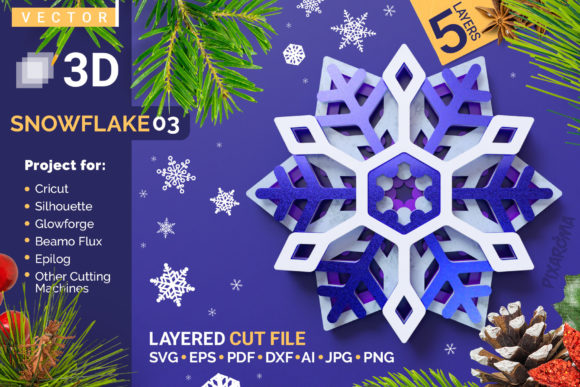
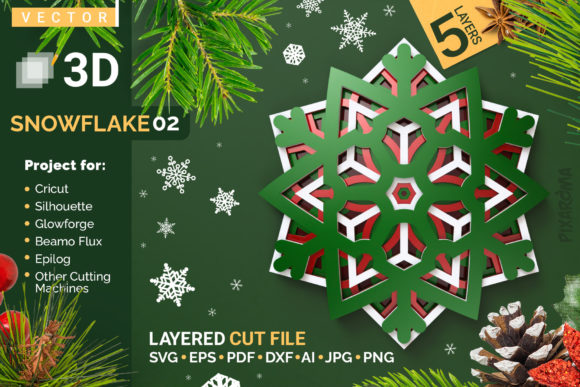
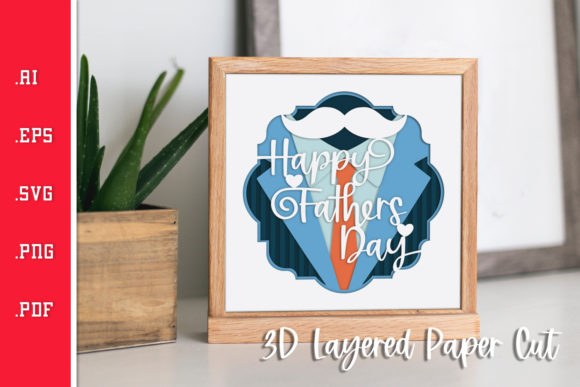
It is crucial to understand the licensing terms associated with digital products like Swan 3d Layered. These listings are strictly DIGITAL FILES. No physical item will be shipped to the buyer. All product images displayed are examples of how the design can be utilized and serve as inspiration rather than the actual deliverable.
Furthermore, intellectual property rights remain with the creator. The ACTUAL FILES may NOT be shared, resold, or distributed in any form. This restriction protects the artist’s work and ensures that buyers are paying for a legitimate license to use the design. Users are generally permitted to create physical items from the files for personal use or sometimes for small-scale commercial sales, depending on the specific shop’s policy. Always review the Terms of Service provided with the download to ensure compliance.
Conclusion
The Swan 3d Layered collection represents a convergence of artistic beauty and technical utility. By providing a diverse range of file formats, it caters to everyone from casual crafters to seasoned professionals. Its compatibility with major cutting brands like Cricut and Silhouette, along with laser cutters, makes it a flexible tool for various industries. Whether you are designing elegant wedding invitations, durable wood signs, or stylish vinyl decals, these layered files offer the quality and scalability needed to bring your vision to life. As digital fabrication continues to grow, having access to well-structured, multi-format assets will remain a key advantage for any creator looking to produce high-end results efficiently.