A to Z Alphabet 3D Vector and Png
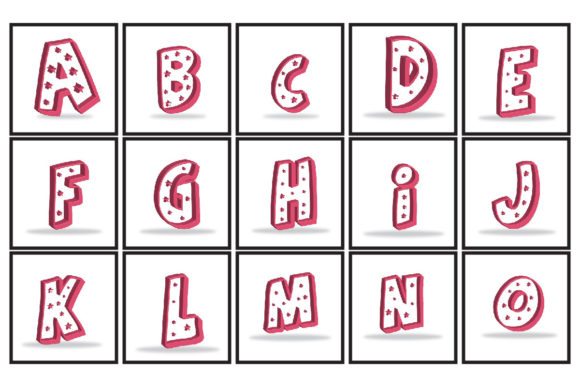
When you are staring at a blank canvas, whether it is a digital workspace or a physical print layout, the right typography can make or break your design. This is where a comprehensive set of A to Z Alphabet 3D Vector and Png becomes an indispensable asset. It is not just about having letters; it is about having versatile, high-quality characters that bring depth, texture, and personality to any project. The inclusion of both vector formats (AI) and raster formats (PNG) ensures that you have the flexibility to scale, edit, and place these elements exactly where they need to go, without compromising on quality.
The beauty of this collection lies in its completeness. With all 26 letters provided in multiple file types, you are never left guessing how a specific character will look when scaled up for a billboard or shrunk down for a business card. For designers, developers, and content creators, this kind of ready-to-use resource saves hours of manual creation and allows for immediate focus on the creative vision rather than technical execution.
Why Versatility Matters in Design Assets
In the world of graphic design, rigidity is the enemy of creativity. A designer might start with a concept for a social media post but later realize the same image needs to be adapted for a merchandise line or a website header. If your assets are locked into a single format, you face the risk of pixelation or loss of detail. By utilizing a package that offers both 26 ai files and 26 png file options, you future-proof your workflow.
The AI files provide the structural integrity needed for scalable graphics. You can manipulate anchor points, adjust gradients, and apply effects without worrying about resolution limits. On the other hand, PNG files offer transparency and instant usability. They are perfect for quick overlays, web graphics, and presentations where you do not need to edit the geometry of the letter but simply need it to sit perfectly on top of another image. Having both means you can switch contexts seamlessly, adapting your design process to fit the medium rather than forcing the medium to fit your limitations.
Real-World Applications Across Industries
The utility of a 3D alphabet extends far beyond simple logo creation. Let’s look at how different professionals actually use these resources in their daily workflows.
Branding and Identity for Small Businesses
For entrepreneurs launching a new brand, consistency is key. A startup founder might use the 3D letters to create a memorable logo for a coffee shop, a tech consultancy, or a handmade jewelry line. The three-dimensional aspect adds a tactile feel to digital logos, making them stand out in a crowded marketplace. Imagine a bakery using bold, textured 3D letters for their packaging design. The visual weight of the letters conveys substance and quality, which helps build trust with customers before they even taste the product.
Educational Materials and Child-Centric Content
Educators and homeschooling parents often struggle to find engaging materials that capture children's attention. Standard flat fonts can sometimes feel dry or academic. By incorporating colorful, playful 3D alphabets into worksheets, flashcards, or classroom posters, teachers can make learning more interactive. A teacher creating a "Letter of the Week" activity can use the PNG versions to quickly drop letters onto backgrounds, allowing students to match sounds with visuals. The ease of use means educators spend less time designing and more time teaching.
Digital Marketing and Social Media
In the fast-paced world of social media, grabbing attention within the first second is crucial. Marketers frequently use eye-catching text overlays on Instagram stories, TikTok videos, and Facebook ads. A set of 3D letters can serve as powerful hooks. For instance, a fitness coach might use dynamic, shadowed 3D letters to spell out "STRENGTH" or "FOCUS" over workout videos. The depth of the letters creates a sense of movement and energy, aligning perfectly with the motivational tone of the content. Because the PNGs come with transparent backgrounds, these text elements blend naturally into video edits without requiring complex masking techniques.
Print-on-Demand and Merchandise
Freelancers and hobbyists selling custom t-shirts, mugs, and tote bags rely heavily on print-ready assets. The AI files are particularly valuable here because they allow for precise color separation and scaling. A freelancer designing a t-shirt for a gaming convention might use the 3D alphabet to create retro-style typography that pops against dark fabrics. The vector nature ensures that the edges remain crisp regardless of the size printed on the garment, preventing the blurry, jagged lines that ruin professional-looking merch.
Technical Considerations for Best Results
While having access to these files is a huge advantage, getting the most out of them requires a bit of know-how. Understanding the differences between the formats helps prevent common mistakes.
- Vector vs. Raster: Always remember that AI files are infinite scalability champions. Use them when you need to resize drastically or cut vinyl for signage. PNG files are fixed-resolution images. Ensure you download the highest resolution PNG available if you plan to print it large, otherwise, you may encounter pixelation.
- Color Management: 3D designs often rely on gradients and shadows to create depth. When moving from screen (RGB) to print (CMYK), colors can shift. Test your 3D letters in CMYK mode if you are sending designs to a professional printer to ensure the final output matches your vision.
- Licensing and Usage Rights: Before applying these assets to commercial projects, always review the license agreement. Some collections are free for personal use only, while others allow commercial distribution. Understanding these terms protects you from legal issues and respects the work of the original creator.
Enhancing Your Creative Workflow
Integrating a complete alphabet set into your toolkit changes how you approach design problems. Instead of starting from scratch every time you need a headline, you have a library of pre-made, aesthetically pleasing components. This accelerates the prototyping phase, allowing you to experiment with different layouts and combinations rapidly. You can mix and match letters to create unique words, combine them with icons, or layer them to create complex typographic art.
Furthermore, these assets bridge the gap between non-designers and professional results. Bloggers who lack advanced software skills can still produce visually striking headers by dragging and dropping PNG letters into their CMS or basic editing tools. This democratization of design empowers more people to communicate their ideas effectively, regardless of their technical background.
Conclusion
The value of an A to Z Alphabet 3D Vector and Png collection is not just in the individual letters but in the possibilities they unlock. Whether you are crafting a brand identity, teaching a classroom, or designing a viral social media campaign, having high-quality, versatile typography at your fingertips is a game-changer. It reduces friction in your creative process and elevates the visual impact of your work. By understanding how to leverage both vector precision and raster convenience, you can ensure that your projects look polished, professional, and impactful across every platform.