Background Low Poly Design: Integrating Abstract 3D Vector Aesthetics into Professional Workflows
In the modern digital landscape, visual communication is not merely decorative; it is a functional component of data transmission and brand identity. For professionals, creators, and entrepreneurs, the choice of background imagery can significantly influence how information is perceived. Among the most versatile and enduring styles for this purpose is Background Low Poly Design. This aesthetic, characterized by its geometric abstraction and structured connectivity, offers more than just a trendy look. It provides a scalable, highly customizable asset that fits seamlessly into complex workflows involving data visualization, corporate branding, and digital publishing.
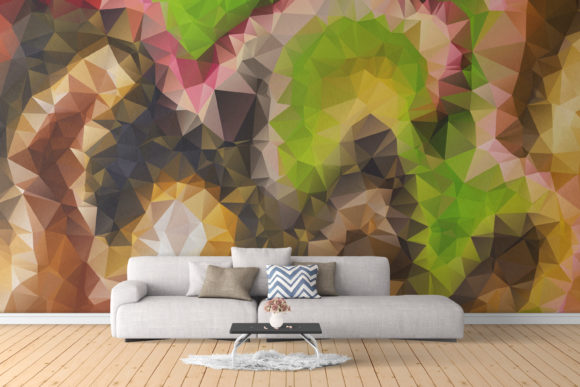
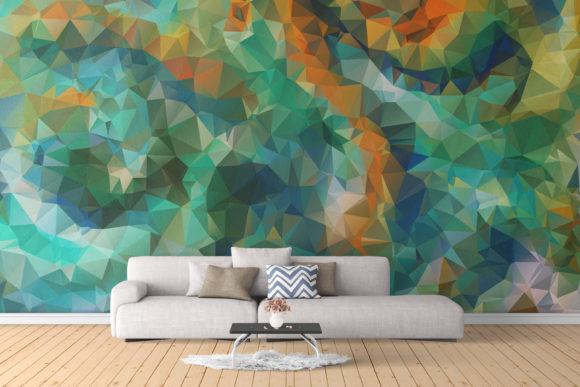
The core appeal of low poly design lies in its balance between complexity and simplicity. By reducing an image to a series of interconnected polygons, designers create a structure that suggests depth and dimension without the computational overhead or visual clutter of photorealistic rendering. When applied to backgrounds—particularly those inspired by abstract crystal structures or molecular communications—these designs serve as sophisticated frameworks for presenting content. They imply precision, technology, and forward-thinking innovation, making them ideal for sectors ranging from tech startups to academic research publications.
The Technical Foundation: Why Vector Matters
Understanding the technical specifications of your assets is crucial for efficient project execution. The specific collection described here represents a robust toolkit for any creative process, offering 100 fully resizable vector files. Unlike raster images, which degrade when scaled, vector graphics are defined by mathematical equations. This ensures that whether you are designing a mobile app icon or a large-format billboard, the lines remain crisp and the colors remain consistent.
The inclusion of multiple file formats—JPG, PNG, SVG, DXF, PDF, AI, and EPS—caters to different stages of the production pipeline. For instance:
- SVG and AI: Essential for ongoing projects where further modification is required. These formats allow you to adjust individual polygon nodes, change gradients, or isolate specific elements within Adobe Illustrator or other vector software.
- PNG and JPG: Ideal for final exports, web integration, or quick previews where editing is no longer necessary. The high resolution (300 DPI) ensures these files meet professional print standards.
- DXF: A critical format for users involved in physical production, such as laser cutting or CNC machining. This bridges the gap between digital design and tangible product creation.
- PDF: Perfect for sharing finalized designs with clients or stakeholders who may not have specialized design software installed.
This multi-format approach eliminates bottlenecks. You do not need to convert files manually or worry about compatibility issues when handing off work to developers, printers, or marketing teams. The organization of layers in the source files further streamlines this process, allowing for rapid customization without starting from scratch.
Application in Data Science and Technology Communication
One of the most potent use cases for Background Low Poly Design is in the realm of data science and technology. Abstract low poly backgrounds often resemble crystal lattices or network nodes, visually echoing the concepts of connectivity, structure, and underlying data architecture. When used in presentations, dashboards, or website headers, these images subconsciously reinforce the idea of organized, reliable technology.
Consider a scenario where a data analyst is preparing a quarterly report for executive leadership. A standard white background is functional but forgettable. By integrating a subtle, dark-toned low poly background featuring connection structures, the presentation gains a layer of visual authority. The geometric patterns guide the eye across the slide without distracting from the charts and graphs. The "crystal" aspect of the design adds a sense of clarity and transparency, suggesting that the data presented is solid and well-structured.
Similarly, in software development and cybersecurity, the "molecule and communication" theme is highly relevant. Visuals that depict interconnected nodes can be used to illustrate network topology, API integrations, or secure data transfer protocols. Because these vectors are easily customizable, a developer can tweak the color palette to match their company’s brand guidelines instantly. Changing the hue from blue to green or adjusting the opacity allows the background to adapt to different contexts while maintaining the same structural integrity.
Workflow Integration for Freelancers and Agencies
For freelancers and small agencies, time is the most valuable resource. The efficiency gained from using pre-organized, high-quality vector assets cannot be overstated. The description notes that the package includes well-organized layers and professional and clean files. This level of preparation means less time spent untangling messy code or reconstructing broken paths, and more time focused on creative direction and client delivery.
Here is how this asset library fits into a typical freelance workflow:
- Project Inception: Upon receiving a brief for a tech-focused brand, the designer selects a low poly base that matches the desired mood (e.g., energetic, stable, innovative).
- Customization Phase: Using the AI or SVG files, the designer modifies the colors to align with the client’s RGB color mode requirements. The ability to resize the 3000×2000 pixel canvas ensures that the design works for both social media avatars and full-page magazine spreads.
- Collaboration: If working with a team, the layered files allow different members to work on different elements simultaneously. One person might handle typography while another adjusts the background lighting effects.
- Final Delivery: The designer exports the final assets in all necessary formats (PNG for web, PDF for print) using the included presets, ensuring consistency across all touchpoints.
This streamlined process reduces the risk of errors and version control issues. When every file is saved separately and clearly labeled, there is no confusion about which iteration is the final one. This organizational discipline is particularly important for long-term projects where assets are revisited months or years later.
Strategic Use in Marketing and Content Creation
Content creators, bloggers, and educators also benefit from the versatility of low poly designs. In an era of information overload, distinctive visuals help content stand out. A unique, abstract background can become part of a brand’s visual signature. For example, a financial blogger might use a gold and black low poly background to convey wealth and stability, while a biology educator might use a green and blue variant to represent organic systems and health.
The connection structure inherent in these designs also serves a psychological purpose. Humans are pattern-seeking creatures, and the triangular facets of low poly art provide a satisfying visual rhythm. This makes the content associated with the background feel more cohesive and professionally curated. Furthermore, because the designs are abstract, they avoid the pitfalls of literal imagery. They do not distract with specific people, places, or objects, allowing the viewer to focus entirely on the message being conveyed.
When creating social media campaigns, consistency is key. Having access to 100 variations of similar styles allows marketers to maintain a unified aesthetic across multiple platforms. Whether posting on LinkedIn, Instagram, or Twitter, the visual language remains consistent, reinforcing brand recognition. The instant download nature of these assets ensures that trends can be capitalized on immediately, without waiting for custom illustrations to be commissioned.
Quality Control and Long-Term Value
Investing in high-quality digital assets is an investment in the longevity of your brand materials. The specification of 300 DPI and RGB Color Mode indicates that these files are ready for both digital and high-quality print applications. This dual-purpose capability expands the potential use cases for your designs. A brochure designed today can be updated tomorrow with new text, using the same high-resolution background, without losing quality.
Moreover, the vector nature of the files means they are future-proof. As screen resolutions increase and printing technologies advance, your low poly backgrounds will continue to render sharply. There is no need to repurchase or recreate these assets as technology evolves. This makes them a cost-effective solution for businesses looking to minimize recurring design expenses.
In conclusion, Background Low Poly Design is more than just a stylistic choice; it is a strategic tool for effective communication. By leveraging the technical advantages of vector graphics, the organizational benefits of well-layered files, and the aesthetic power of abstract geometry, professionals can enhance the impact of their work. Whether you are visualizing complex data, building a brand identity, or producing educational content, these assets provide the flexibility and quality needed to execute your vision efficiently. The instant availability and comprehensive format support ensure that you can integrate these designs into your workflow immediately, saving time and elevating the professional standard of your output.