Low Poly Design: Strategic Applications for Modern Branding and Digital Communication
In an era defined by information overload, visual clarity is not merely an aesthetic choice; it is a strategic imperative. Low Poly Design has emerged as a powerful tool in the digital creator’s arsenal, offering a unique intersection of geometric precision and artistic abstraction. While often perceived as a trendy stylistic choice, its utility extends far beyond decoration. For entrepreneurs, marketers, and professionals seeking to communicate complex data or establish a distinct brand identity, understanding the structural logic behind low poly aesthetics is essential.
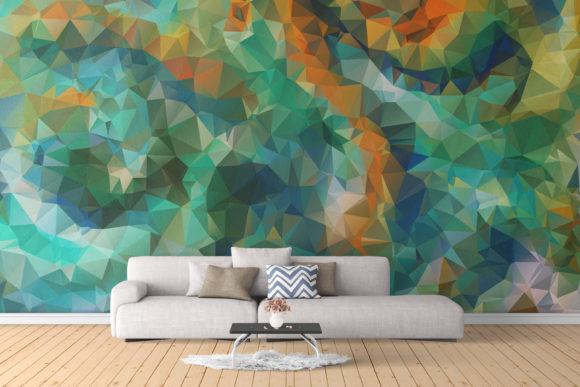
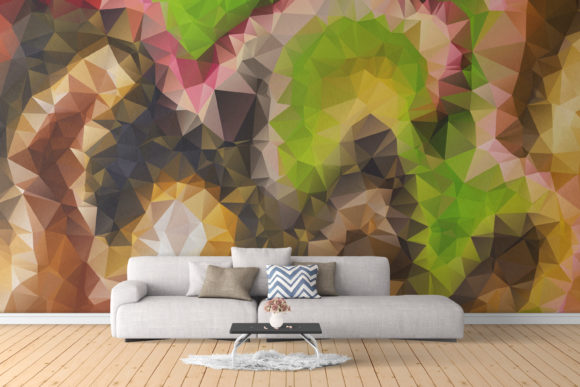
This approach utilizes triangular meshes to create three-dimensional forms from two-dimensional space. The result is a crisp, modern look that suggests technology, connectivity, and forward momentum. Whether you are designing a background for a data science presentation, creating assets for a tech startup, or developing educational materials, low poly vectors provide a scalable, clean, and highly customizable foundation. By leveraging high-resolution vector files—such as those available in SVG, AI, and EPS formats—designers can ensure their visual communication remains sharp across all devices, from mobile screens to large-format print.
The Structural Logic of Low Poly Aesthetics
At its core, low poly design is about simplification without losing essence. It breaks down complex shapes into fundamental geometric units, typically triangles. This reductionist approach mirrors how the human brain processes visual information: we look for patterns, edges, and structure. When applied correctly, this style conveys stability, innovation, and technical sophistication.
Consider the application of a crystal-like abstract background. The faceted surfaces mimic light refraction, suggesting transparency and value. In the context of data science or molecule communication, these polygonal structures represent nodes and connections. They visually reinforce concepts of networking, big data, and molecular bonds. For decision-makers in tech and healthcare sectors, using such imagery signals an alignment with scientific rigor and modern engineering principles.
The versatility of this design language lies in its adaptability. By changing the color palette while maintaining the same 3D image technology vector background, designers can shift the mood from cold and corporate (blues and greys) to warm and inviting (oranges and purples). This flexibility allows brands to maintain visual consistency while adapting to different campaign goals, seasonal themes, or target audience preferences.
Strategic Use Cases Across Industries
To maximize the return on investment for your creative assets, it is crucial to deploy low poly designs where they add functional value rather than just decorative noise. Below are several strategic areas where this design style excels.
Data Visualization and Technology
In fields like cybersecurity, artificial intelligence, and cloud computing, trust and precision are paramount. A polygonal vector background featuring connection structures can subtly reinforce these values. When used in website headers, app interfaces, or annual reports, these graphics suggest a robust infrastructure. The interplay of light and shadow on the 3D mesh creates depth, guiding the user’s eye toward key metrics or calls to action without overwhelming the content.
Educational Materials and E-Learning
For educators and course creators, engagement is the primary challenge. Abstract low poly illustrations can serve as anchors for complex topics. For instance, a biology instructor might use a stylized molecule background to introduce genetics, while a physics teacher could use a crystal structure to explain atomic lattices. The clean lines and organized layers of professional vector files allow for easy customization, enabling instructors to highlight specific parts of a diagram or change colors to match curriculum branding.
Corporate Branding and Identity
Startups and established enterprises alike use low poly elements to craft a modern identity. The geometric nature of the design implies efficiency and optimization—traits highly valued in business operations. Logo marks derived from low poly concepts can be easily resized and recolored, ensuring brand consistency across diverse touchpoints, including business cards, merchandise, and digital ads.
Technical Advantages for Professional Workflows
One of the most significant benefits of adopting low poly design is the technical efficiency it offers. Unlike raster images (JPG/PNG), which lose quality when scaled, vector-based low poly assets remain crisp at any resolution. This is particularly important for multi-channel marketing strategies where visuals must appear on everything from social media avatars to billboard prints.
- Scalability: With 100 fully resizable vector files, designers can reuse assets indefinitely. A single high-resolution 300 DPI source file can generate outputs for web, print, and embroidery without degradation.
- Customization: Files saved in Adobe Illustrator (.AI) or Encapsulated PostScript (.EPS) formats provide well-organized layers. This structure allows for granular control over individual polygons, enabling precise color adjustments and shape modifications.
- Compatibility: Comprehensive packages often include multiple formats, such as SVG for web development, DXF for cutting machines, and PDF for easy sharing. This multi-format availability streamlines workflows between graphic designers, developers, and production teams.
The inclusion of separate JPG and PNG files ensures that non-designers can also utilize these assets quickly. Each clipart saved separately reduces friction in collaborative environments, allowing project managers and content creators to insert visuals directly into presentations or blogs without needing advanced software skills.
Risks and Considerations in Implementation
While low poly design offers numerous advantages, it is not a universal solution. Misapplication can lead to visual clutter or a disconnect with brand messaging. It is vital to approach this style with intentionality.
Avoid Over-Saturation: Because low poly backgrounds are visually dense, they can compete with foreground text and key messages. Use them strategically as subtle backdrops or accent elements rather than dominant focal points unless the goal is purely artistic expression. Ensure sufficient contrast between the background and overlay content to maintain readability.
Maintain Contextual Relevance: The "crystal" or "molecule" aesthetic carries specific connotations. Using a sharp, angular low poly style for a children’s toy brand or a rustic organic food company may create cognitive dissonance. Align the geometric rigidity of the design with industries that value structure, technology, and precision. For softer industries, consider using lower-poly counts or warmer, more organic color palettes to soften the effect.
Balance Abstraction with Clarity: Abstract backgrounds should support, not obscure, the message. If the design becomes too complex, it risks confusing the viewer. Regularly test your visuals with target audiences to ensure the intended meaning—whether it be innovation, stability, or connectivity—is clearly communicated.
Best Practices for Integration
To achieve better results with low poly design, adopt a systematic approach to integration. Start by defining the emotional tone you wish to convey. Do you want to evoke the cool reliability of a bank or the energetic creativity of a tech hub? Select color schemes accordingly.
Utilize the organizational features of professional vector files. Keep your layers named and grouped logically. This practice saves time during revisions and ensures that team members can easily locate and modify specific elements. When working with connection structure motifs, pay attention to the flow of lines. Direct the viewer’s gaze through the composition using leading lines formed by the polygonal edges.
Furthermore, leverage the instant download capabilities of digital asset libraries to iterate quickly. The ability to access 100+ variations allows for A/B testing in digital campaigns. Determine which color combinations and compositions yield higher engagement rates, then refine your strategy based on data-driven insights.
Conclusion
Low poly design is more than a stylistic trend; it is a versatile visual language that supports clear communication, efficient workflows, and strong branding. By understanding its structural logic and applying it strategically, professionals can enhance their digital presence and engage audiences more effectively. Whether you are crafting a data-rich infographic, building a tech-focused website, or developing educational content, the scalability and adaptability of vector-based low poly assets make them an invaluable resource.
Remember to prioritize clarity, relevance, and technical quality. Use high-resolution sources, maintain organized file structures, and always align your visual choices with your broader business goals. In doing so, you transform simple geometric shapes into powerful tools for growth and connection.