Chemical Compound Research Cover Design
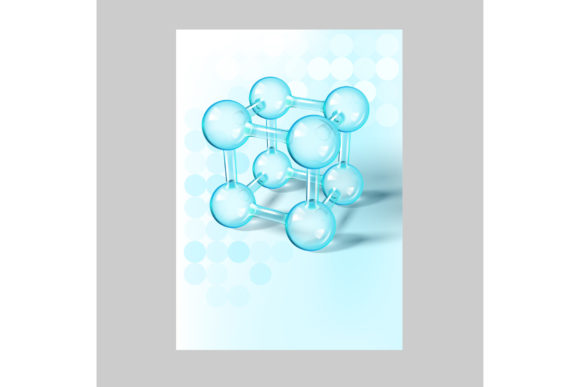
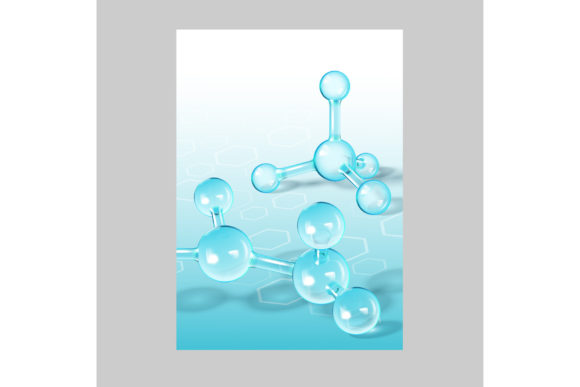
In the competitive landscape of scientific publishing and corporate research, first impressions are not just about content—they are about visual authority. A Chemical Compound Research Cover Design serves as the critical bridge between complex data and audience engagement, transforming dense academic or industrial reports into compelling visual narratives. When stakeholders encounter a document, their initial reaction is often dictated by its aesthetic quality before they read a single word. Therefore, integrating high-fidelity imagery, such as a realistic 3D illustration of an ammonia molecule, is no longer optional; it is a strategic necessity for establishing credibility and clarity in modern graphic design.
The Power of Visual Communication in Science
Science communication has evolved significantly. It is no longer sufficient to rely solely on text and tables. Today’s researchers, investors, and students expect a level of polish that matches the sophistication of the data within. This is where specialized creative assets come into play. A Chemistry Scientific Ammonia Molecule For Title List Of Research Report provides immediate context, signaling precision and expertise. By utilizing reflective and refractive microscopic models, designers can create a sense of depth and realism that static 2D icons simply cannot achieve.
This approach aligns with broader trends in editorial design and digital marketing, where visual hierarchy plays a pivotal role in guiding the viewer’s eye. The interplay of light, shadow, and geometry in a 3D molecular model draws attention to key elements, ensuring that the core subject matter stands out against the background. This technique enhances user experience (UX) by making information more digestible and visually appealing, ultimately increasing the likelihood that the report will be read, shared, and cited.
Practical Applications Across Industries
The versatility of these design elements extends far beyond traditional academic journals. Professional presentation materials, whether for board meetings or client pitches, benefit immensely from high-quality scientific illustrations. Here is how these assets integrate into various creative projects:
- Branding and Brand Identity: For biotech firms or chemical manufacturers, using accurate molecular structures reinforces technical expertise and builds trust with clients.
- Social Media Graphics: Short-form content requires immediate visual impact. A striking 3D molecule can stop the scroll and drive engagement on platforms like LinkedIn or Twitter.
- Web and UI Design: Incorporating these vectors into website headers or landing pages adds a layer of modern aesthetics that appeals to tech-savvy audiences.
- Packaging Design: In the pharmaceutical and consumer goods sectors, clear and attractive labeling helps differentiate products on crowded shelves.
- Advertising Campaigns: High-resolution images allow for flexible scaling across print and digital media without losing quality.
Selecting the Right Creative Assets
When evaluating design inspiration for your next project, format compatibility and scalability are paramount. The availability of files in both JPG and EPS formats offers significant flexibility. JPG files provide immediate usability for web-based applications, social media posts, and quick drafts, offering a balance of quality and file size. However, for large-scale print designs, such as banners, billboards, or high-end brochures, the EPS vector format is indispensable.
Vector graphics ensure that your Chemical Compound Research Cover Design Vector remains crisp and sharp regardless of the output size. This scalability is crucial for maintaining a consistent brand identity across all touchpoints. Furthermore, the reflective and refractive properties of a realistic 3D model add a premium feel to any layout. These subtle details communicate professionalism and attention to detail, qualities that are essential in fields where accuracy is non-negotiable.
Enhancing Typography and Composition
A powerful image must be paired with thoughtful typography. The clean lines of a molecular structure complement sans-serif fonts that emphasize modernity and clarity. Designers should consider the color palette carefully; cool blues and greens often evoke feelings of trust and science, while warm accents can highlight specific functional groups within the molecule. Ensuring adequate contrast between the text and the background maintains readability, adhering to best practices in accessibility and visual hierarchy.
Ultimately, the goal is to create a cohesive visual language that supports the narrative of the research. Whether you are designing a cover for a quarterly report or a slide deck for a product launch, investing in high-quality, scientifically accurate illustrations elevates the entire project. By leveraging the right combination of realistic 3D modeling and versatile file formats, creators can produce work that is not only aesthetically pleasing but also effectively communicates complex ideas. In a world saturated with information, thoughtful design choices make all the difference in capturing and retaining audience attention.