The Art of Elegance: Mastering Cosmetic Glass Design Vectors for Perfume and Beauty Brands
In the highly competitive world of beauty and fragrance, first impressions are everything. Before a consumer even smells a scent or feels the texture of a cream, they encounter the vessel holding it. This is where the magic of cosmetic glass design vector illustrations comes into play. Whether you are a startup launching your first essential oil blend or an established brand refreshing its packaging line, understanding the power of high-quality, realistic mockup templates is crucial for success.
This guide explores the intricate world of 3D transparent realistic mockups, explaining why vectors like JPG and EPS formats are industry standards, how they bridge the gap between concept and reality, and how they can elevate your brand’s visual identity.
Why Visuals Matter More Than Ever in Cosmetics
The modern consumer is visually driven. In an era dominated by social media platforms like Instagram and TikTok, aesthetics are not just a bonus; they are a requirement. A beautifully designed bottle does more than hold liquid; it communicates luxury, purity, and efficacy before the product is even opened. This is particularly true for categories like perfume, essence, and oils, where the bottle often serves as a piece of jewelry or a decorative object long after the contents are used.
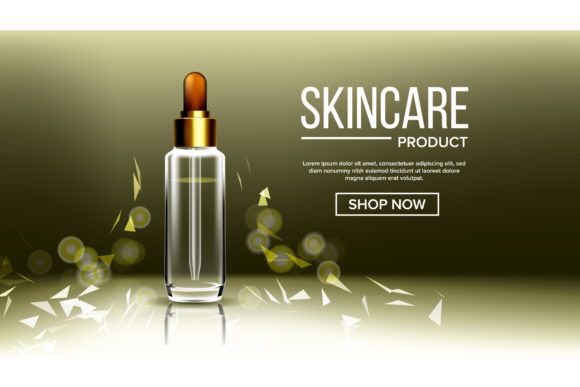
However, creating physical prototypes for every design iteration is expensive and time-consuming. This is where digital design assets become indispensable. By utilizing a perfume bottle 3D transparent realistic mockup template illustration, designers can visualize their concepts in a hyper-realistic environment without spending thousands on manufacturing samples.
Understanding the Core Components
To truly appreciate the value of these design assets, we must break down what makes them effective. A high-quality cosmetic glass design vector is composed of several key elements that work together to create a convincing illusion of reality.
Transparency and Refraction
Glass is defined by how it interacts with light. It bends, reflects, and transmits light in complex ways. A good vector illustration captures this physics-based behavior. When looking at a transparent realistic mockup, you should be able to see through the glass to the background, yet still perceive the thickness and curvature of the container. This interplay of light creates the "glassy" look that signals premium quality to the viewer.
Material Realism
Not all containers are made of clear glass. Some brands opt for frosted finishes, colored tints, or metallic accents. A versatile vector template allows for variations in material properties. For instance, a vector representing an oil bottle might feature a slight amber tint to suggest protection from UV light, while a water-based essence bottle would remain crystal clear to emphasize purity.
The Liquid Inside
The content itself plays a significant role in the overall aesthetic. Whether it is a heavy, viscous perfume oil or a light, watery toner, the way the liquid sits in the bottle affects the silhouette. Advanced mockup templates allow designers to adjust the fill level and color of the liquid, ensuring that the final image accurately represents the specific product formulation.
Technical Formats: JPG vs. EPS
When sourcing or creating these designs, you will frequently encounter two primary file formats: JPG and EPS. Understanding the difference between these formats is essential for any designer or marketer looking to use these assets effectively.
- JPG (Joint Photographic Experts Group): This is a raster format, meaning it is made up of pixels. JPGs are ideal for web use, social media posts, and quick previews. They are lightweight and compatible with almost all devices. However, because they are pixel-based, they can lose quality if scaled up too large. If you need to print a billboard-sized version of your perfume bottle, a low-resolution JPG will appear blurry and unprofessional.
- EPS (Encapsulated PostScript): This is a vector format. Unlike JPGs, vectors are built using mathematical equations rather than pixels. This means an EPS file can be scaled to any size—from a business card to a building wrap—without losing any sharpness or detail. For professional printing, branding guidelines, and high-end marketing materials, the EPS format is the gold standard. It allows for precise editing of colors, shapes, and layers.
For a comprehensive design workflow, having access to both formats is recommended. Use the JPG for rapid prototyping and digital campaigns, and rely on the EPS for final production and large-scale prints.
Practical Applications in Modern Business
How do these digital assets translate into real-world business success? Let’s explore some practical scenarios where cosmetic glass design vectors add tangible value.
Rapid Prototyping and Iteration
Imagine you are designing a new line of organic face serums. You have five different bottle shapes in mind. Instead of commissioning five separate physical molds, which could cost tens of thousands of dollars, you can apply each shape to a 3D transparent realistic mockup template. You can instantly see how each design looks with different labels, cap colors, and lighting conditions. This accelerates the decision-making process and saves significant capital.
Marketing and Pre-Launch Hype
You don’t need a finished product to start marketing. Using high-quality vector illustrations, you can create teaser campaigns, crowdfunding pages, and pre-order websites months before the product hits the shelves. This builds anticipation and allows you to gauge market interest early. A stunning perfume and cosmetic glass design vector can generate buzz and secure early sales based solely on the promise of the design.
E-Commerce Optimization
Online shoppers cannot touch or smell the product. They rely entirely on images to make purchasing decisions. High-resolution, realistic mockups help bridge this sensory gap. By showing the bottle from multiple angles, highlighting the transparency of the glass, and demonstrating the label placement, you provide customers with the confidence they need to buy. This reduces return rates and increases customer satisfaction.
Common Misconceptions About Digital Mockups
While the benefits are clear, there are some myths surrounding the use of digital vectors that potential users should be aware of.
Misconception 1: "Vectors Look Fake."
Early computer-generated imagery was often stiff and unrealistic. Today, however, advanced rendering techniques in vector software allow for photorealistic results. When done correctly, a 3D transparent realistic mockup is indistinguishable from a photograph. The key lies in attention to detail—reflections, shadows, and subtle imperfections in the glass all contribute to realism.
Misconception 2: "You Need Specialized Software."
While professional designers use tools like Adobe Illustrator and Photoshop, many user-friendly platforms now offer drag-and-drop interfaces for applying designs to mockup templates. This democratizes the process, allowing small business owners and non-designers to create professional-looking visuals without needing a degree in graphic design.
Building a Cohesive Brand Identity
Ultimately, the goal of using cosmetic glass design vectors is not just to show a bottle, but to tell a story. Every curve, color, and font choice contributes to your brand narrative. Are you a minimalist brand focused on clean ingredients? Your vector illustrations should reflect this with simple lines, ample white space, and clear glass. Are you a luxury brand focused on opulence? Your designs might feature heavier glass, gold accents, and dramatic lighting.
By maintaining consistency across all your visual assets—from your website to your packaging—you build trust and recognition. Customers begin to associate the specific look of your bottles with the quality of your products. Over time, the bottle itself becomes a symbol of your brand.
Conclusion
In the vibrant landscape of the beauty industry, visual appeal is a powerful currency. Cosmetic glass design vectors offer a versatile, cost-effective, and professional solution for bringing your product ideas to life. From the technical advantages of EPS and JPG formats to the strategic benefits of rapid prototyping and enhanced e-commerce presentations, these digital tools are essential for modern brands.
Whether you are crafting the perfect perfume essence or a revitalizing oil, remember that the vessel is just as important as the content. By investing in high-quality, realistic mockup templates, you ensure that your product stands out on the shelf and captivates consumers online. Embrace the power of vector design, and let your brand shine with clarity, elegance, and professionalism.
Start exploring your options today. Experiment with different shapes, transparencies, and lighting setups. The right design can transform a simple bottle into an iconic symbol of your brand’s commitment to beauty and quality.